
Australia’s construction industry relies heavily on imported materials such as tiles, stone, steel, timber, insulation boards, and glass. Many of these products are sourced from China due to competitive pricing and diverse supply options. However, importing building materials into Australia is more complex than general consumer goods, because of strict compliance, safety, and biosecurity regulations.
This guide highlights the main considerations importers should be aware of when sourcing construction materials from China to Australia.
1. Compliance with Australian Standards
Building materials must meet the Australian Standards (AS/NZS) and the National Construction Code (NCC). For example:
Cement and concrete products must comply with AS 3972.
Timber products must meet fire resistance and pest treatment standards.
Insulation boards, fireproof panels, and cladding require certification for fire safety and environmental performance.
Importers should request test reports, compliance certificates, and product specifications from suppliers to ensure materials can legally be used in Australian construction projects.
2. Biosecurity and Quarantine Regulations
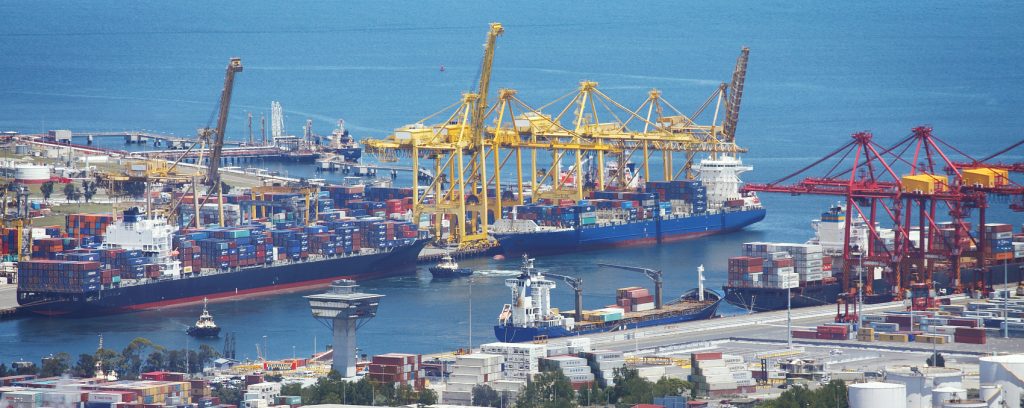
Australia has some of the world’s strictest biosecurity laws to prevent pests, diseases, and contaminants from entering the country. For building materials, this is especially critical in categories such as:
Timber, plywood, and bamboo – must be fumigated and certified pest-free.
Stone and tiles – must be free of soil, organic matter, and contamination.
Used machinery and equipment – subject to strict quarantine inspection.
The Department of Agriculture, Fisheries and Forestry (DAFF) often conducts cargo inspections for construction materials. Proper packaging and certified treatment can reduce delays at ports.
3. Import Documentation Requirements
Accurate documentation is essential for smooth customs clearance. Typical documents include:
Commercial Invoice
Packing List
Bill of Lading (B/L) or Air Waybill
HS Code classification
Certificates of Conformity or Test Reports for safety compliance
Fumigation Certificate (for timber products)
Certificate of Origin if preferential duty applies
Errors or missing paperwork can trigger customs inspections, additional costs, or shipment delays.
4. Customs Duties, GST, and Costs
Importers must factor in import duties, GST, and other local charges:
Customs duties vary depending on the HS code of the product.
10% GST applies to most imported building materials.
Port handling, quarantine inspection, and storage fees may add extra costs.
Using a licensed customs broker helps ensure correct duty calculation and timely payment.
5. Choosing the Right Shipping Method
Shipping method depends on the type and volume of building materials:
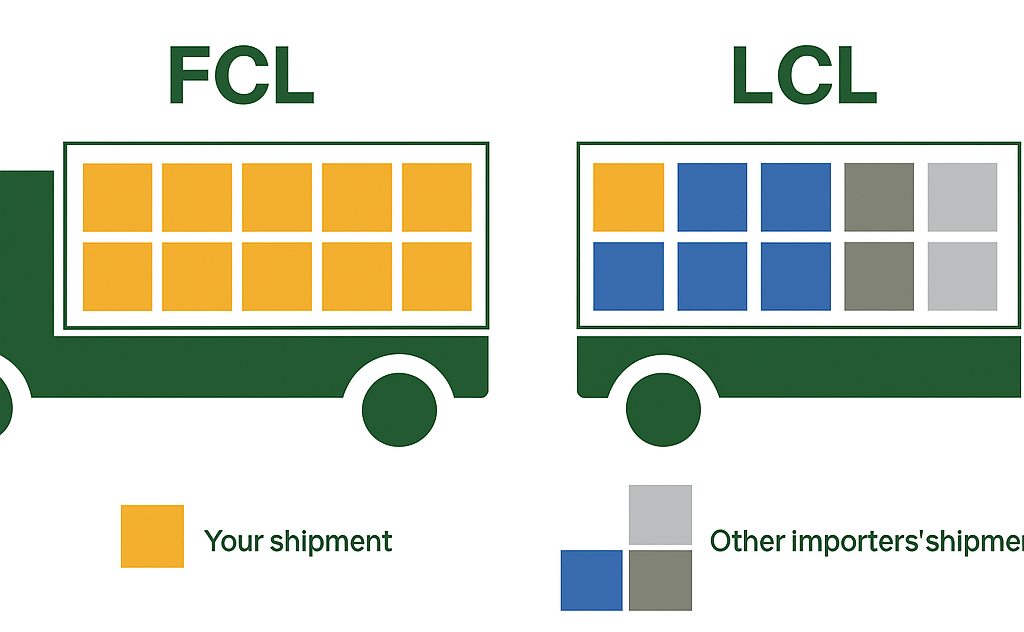
Sea Freight (FCL) – Best for bulk shipments such as tiles, steel, or large boards.
Sea Freight (LCL) – Suitable for smaller loads but subject to higher handling risks.
Air Freight – Rare for building materials due to high cost, but possible for urgent lightweight products.
Transit time from China to Australia by sea typically ranges from 18 to 30 days, depending on the port of origin and destination.
6. Quality Assurance and Supplier Reliability
Defective or non-compliant building materials can cause major delays and financial loss. Importers should:
Conduct factory audits or use third-party inspection services.
Request product samples and compliance certificates.
Establish clear contracts covering product specifications and quality guarantees.
A reliable Chinese supplier and a trustworthy Australian freight forwarder can significantly reduce risks.
7. Insurance and Risk Management
Building materials are often heavy, fragile, and high-value, making them prone to damage during shipping. Importers should consider:
Marine cargo insurance to protect against loss or damage.
Proper packaging and palletizing to prevent breakage.
Risk-based planning for potential customs inspections and storage delays.
Importing building materials from China to Australia offers cost advantages, but it comes with stricter compliance requirements compared to general consumer goods. By focusing on standards certification, biosecurity regulations, accurate documentation, and reliable logistics partners, importers can avoid costly mistakes and ensure their products meet Australian construction requirements.
Working with an experienced freight forwarder and customs broker will help streamline the import process, minimize delays, and guarantee smooth delivery of materials for construction projects.
1. Can I import timber from China to Australia?
Yes, but timber must be fumigated and certified pest-free under Australia’s strict biosecurity rules, or it may be rejected.
2. What documents are needed to import building materials?
You need a commercial invoice, packing list, bill of lading, HS codes, certificate of origin, and compliance or fumigation certificates.
3. How long does sea freight take from China to Australia?
Sea freight usually takes 18–30 days depending on port of origin and destination. Air freight is faster but more expensive.
4. Do I pay duties and GST on building materials?
Yes. Most building materials require customs duties plus 10% GST, along with port handling and inspection fees.
5. How can I ensure product quality before shipping?
Request samples, use third-party inspections, and verify compliance certificates from your supplier before shipment.
6. What risks exist when importing building materials?
Main risks include non-compliance, customs delays, transport damage, and unexpected fees. Proper planning and insurance help reduce risks.
