
How to Move Pallets Without a Forklift: Safe Handling and Freight Delivery Guide
Receiving palletized freight without a forklift or loading dock requires more than finding a way to move a heavy load. The right handling equipment, delivery vehicle, access route, and unloading plan all matter.
Whether you are receiving imported goods at a warehouse, workshop, retail location, or residential address, this guide explains practical pallet-handling options and how to plan your freight delivery safely.
Why Do You Need a Plan to Move Pallets Without a Forklift?
Forklifts are widely used in warehouses and distribution centers, but not every business has one available. Small warehouses, retail stores, workshops, construction sites, and residential delivery locations may have limited handling equipment.
When a shipment arrives on a pallet, the receiving team needs to consider two separate operations: unloading the freight from the delivery vehicle and moving it to its final position. Equipment that works for one task may not be suitable for the other.
Warehouse Receiving
Choose equipment based on pallet dimensions, floor conditions, aisle width, and the distance between the unloading point and storage area.
Residential or Small-Business Delivery
Confirm whether a suitable delivery vehicle can lower the pallet to ground level and whether the receiving surface allows safe movement afterward.
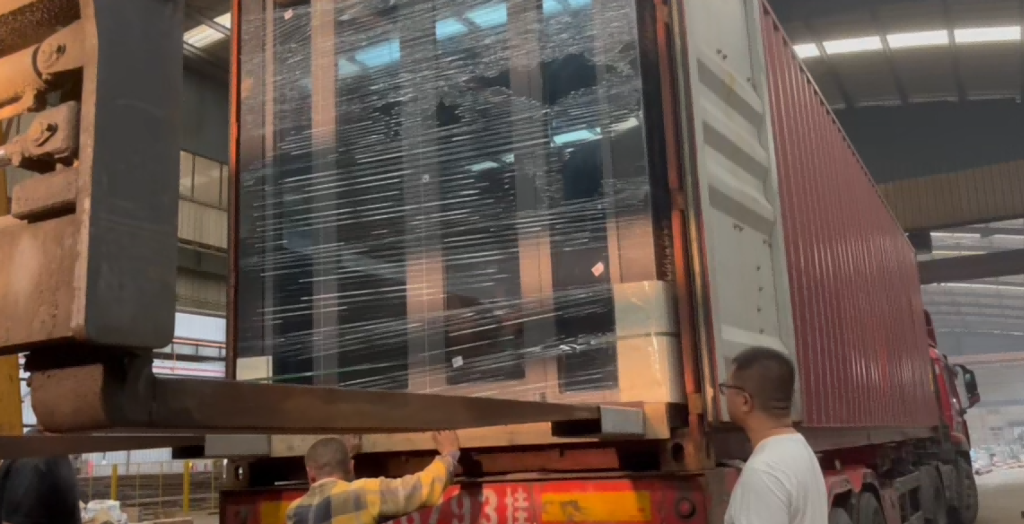
1. Equipment for Moving Pallets Without a Forklift
The best alternative depends on the pallet's gross weight, base construction, movement distance, floor surface, and whether the load must be raised or simply moved across the floor.
Manual Pallet Jack
A manual pallet jack is suitable for compatible pallets that need to travel short distances over firm, level surfaces.
Best for: Warehouse floors, loading areas, and short-distance movement.
Limitations: The pallet must have compatible fork-entry openings. A standard pallet jack does not lower freight from truck-bed height to the ground.
Electric Pallet Truck
A powered pallet truck reduces the physical effort required for repetitive handling or longer internal movements.
Best for: Distribution facilities and frequent pallet movements.
Limitations: Requires appropriate operator training, a suitable operating area, and equipment rated for the actual load.
Pallet Stacker
Manual or powered stackers lift compatible pallets for controlled placement at different storage heights.
Best for: Stockrooms and warehouses that need vertical positioning.
Limitations: Capacity can change with lifting height and load position. The surface must suit the equipment.
Load-Rated Lift Table
A suitable pallet lift table can raise or lower cargo at a workstation and reduce awkward manual handling.
Best for: Loading preparation, assembly areas, and height-adjustable workstations.
Limitations: A stationary lift table is not a substitute for general transport equipment or a vehicle liftgate.
Engineered Conveyors and Transport Skates
Purpose-designed roller conveyors and load-rated transport skates can support planned industrial handling operations.
Best for: Repetitive production-line movement or specialist machinery relocation.
Limitations: Correct load support, stability, braking, and movement control are essential.
Vehicle Liftgate
A liftgate lowers accepted freight between a suitable vehicle bed and ground level at the delivery point.
Best for: Deliveries where the receiver has no loading dock or forklift.
Limitations: The carrier must confirm platform dimensions, load capacity, cargo compatibility, and service availability.
2. Safety Checks Before Moving a Pallet
Choosing the right equipment is only part of the process. A safe pallet-handling plan should account for the complete load and its entire route.
Check the Gross Weight and Dimensions
Use the gross weight of the complete handling unit, including the pallet, packaging, and cargo. Measure its length, width, and height, including any overhang. Check the equipment rating against the actual load configuration.
Inspect the Pallet and Secure the Cargo
Look for broken boards, damaged skids, loose wrapping, shifted cargo, and blocked fork openings. Confirm that the load is stable before attempting to move it.
Check the Floor and Travel Route
Inspect the full route for slopes, thresholds, potholes, loose debris, tight turns, and narrow doorways. A pallet truck that works on a smooth warehouse floor may be unsuitable for gravel, grass, soft ground, or broken pavement.
Keep People Clear of the Load
Establish a clear movement path and keep bystanders away from crush points. Follow the manufacturer's operating instructions and use trained personnel for specialist equipment.
Pre-Movement Checklist
- Confirm gross weight and overall dimensions.
- Inspect the pallet base and cargo stability.
- Verify equipment capacity and compatibility.
- Check floor conditions, gradients, and turning space.
- Keep the route clear and plan how to stop the load.
- Arrange professional assistance if safe control is uncertain.
3. How to Receive Pallet Delivery Without a Loading Dock
If your business imports palletized goods but does not have a forklift or loading dock, discuss the receiving arrangements with your freight provider before dispatch. The carrier may offer a liftgate vehicle or another approved unloading arrangement, depending on the shipment and destination.
Before requesting a quote, prepare the following information:
- Delivery address: Full address, postcode, and whether the site is residential or commercial.
- Package dimensions: Length, width, and height of each pallet or crate.
- Gross weight: Weight of each handling unit, including packaging.
- Cargo photos: Images of the packed cargo and pallet base.
- Site access: Entrance width, parking arrangements, surface type, and any slope or access restrictions.
- Available equipment: Whether the receiving site has a pallet jack, loading dock, or other suitable handling equipment.
- Required delivery scope: Whether you need curbside unloading, movement to a designated receiving area, or a separately arranged inside-delivery service.
Providing these details early helps the freight provider assess whether the cargo can be accepted and which delivery options need to be confirmed.
4. Liftgate Delivery vs. Pallet Jack: What Is the Difference?
Liftgate delivery and pallet-jack handling solve different problems. Understanding the distinction helps businesses avoid unexpected unloading costs and delivery delays.
| Service or Equipment | Main Function | What to Confirm |
|---|---|---|
| Liftgate truck | Lowers accepted cargo from the vehicle to ground level. | Platform dimensions, rated capacity, load compatibility, and vehicle availability. |
| Manual pallet jack | Moves a compatible pallet across a suitable surface. | Pallet base, ground conditions, operating force, and route distance. |
| Loading dock | Provides a suitable transfer point between a vehicle and facility. | Dock height, vehicle access, and the receiving facility's handling arrangements. |
| Specialist unloading | Provides handling for cargo that cannot be safely unloaded using standard arrangements. | Load dimensions, weight, equipment requirements, availability, and cost. |
A liftgate does not automatically include moving cargo inside a building, unpacking the shipment, removing packaging, or positioning goods in a particular room. These services must be agreed separately.
For imports from China, review your options for international freight transportation and door-to-door delivery, then confirm the exact unloading scope with your provider.
5. Can You Move Pallets on Gravel, Grass, Ramps, or Uneven Ground?
Not every pallet-handling method works on every surface. Small pallet-jack wheels may struggle with loose gravel, grass, broken concrete, soft ground, and raised thresholds. Slopes also increase the difficulty of controlling a heavy load.
Gravel and Grass
Do not assume a standard pallet jack can operate safely on loose or soft ground. Discuss a suitable receiving point or purpose-designed handling solution with your delivery provider.
Ramps and Sloped Driveways
Confirm that the proposed equipment is approved for the gradient and load. Do not improvise ramps or attempt to restrain a moving pallet manually.
Narrow Entrances and Residential Access
Measure the clear entrance width, turning area, and available space for the cargo and handling equipment. A pallet that fits through a gate may still be too large to maneuver safely around corners.
6. Planning International Pallet Shipments from China
For international shipments, pallet handling should be considered before the cargo leaves the supplier's warehouse. A delivery that looks straightforward at origin may require additional equipment or services at the destination.
When organizing a shipment, consider the following steps:
Step 1: Confirm the Cargo and Packaging
Ask your supplier for the number of pallets, individual dimensions, gross weights, cargo photos, and details of any oversized or non-standard skids.
Step 2: Choose a Suitable Freight Service
For smaller shipments that do not require a full container, explore LCL shipping. For larger volumes, compare the suitability of FCL container shipping. The best option depends on shipment volume, cargo characteristics, destination, timing, and total logistics costs.
Step 3: Coordinate Supplier Pickup
Confirm whether the supplier has suitable loading equipment and whether the pickup vehicle can access the loading area. If the cargo needs special handling, arrange it before collection.
Step 4: Confirm Destination Delivery Conditions
Tell your forwarder whether the consignee has a forklift, loading dock, pallet jack, or other appropriate equipment. If these are unavailable, request a review of liftgate delivery or other feasible arrangements.
Step 5: Verify the Quotation and Service Scope
Confirm whether pickup, export handling, international freight, customs clearance, destination handling, liftgate service, and final delivery are included. Do not assume that a door-to-door quotation automatically covers every special unloading or inside-delivery requirement.
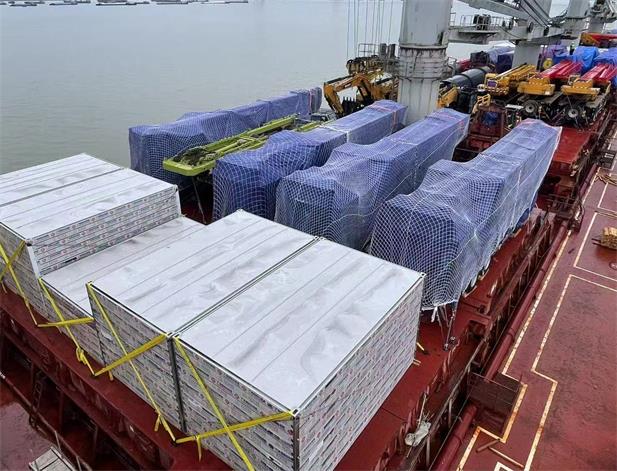
CHINA FREIGHTS LOGISTICS provides freight transportation solutions connecting China with international markets. Explore the available freight services or review destination options such as shipping from China to the USA and shipping from China to Australia.
7. Example: Receiving a Large Pallet at a Small Business
Imagine a small business importing machinery components on two pallets. The delivery address has a driveway but no loading dock or forklift.
Before dispatch, the business provides the freight provider with the dimensions and gross weight of each pallet, photographs of the packaging, driveway conditions, entrance measurements, and details of the available handling equipment.
The freight provider can then check whether a liftgate vehicle is available and whether the shipment meets the carrier's acceptance requirements. If the driveway is unsuitable or the cargo cannot be safely moved beyond the unloading point, an alternative receiving location or specialist handling arrangement may be necessary.
This type of advance coordination helps the receiver understand the practical requirements and potential additional charges before the freight arrives.
8. Common Mistakes to Avoid
- Assuming a pallet jack can unload a truck: A standard pallet jack does not lower cargo from truck-bed height.
- Ignoring the pallet base: Not every crate or skid has compatible fork-entry openings.
- Using weight alone to assess suitability: Dimensions, load position, surface conditions, and equipment ratings also matter.
- Overlooking the final delivery location: Curbside unloading does not automatically include movement into a building.
- Waiting until delivery day: Unconfirmed liftgate or specialist handling requirements can cause delays and extra costs.
- Improvising heavy-load movement: Loose pipes, unsecured ramps, and uncontrolled dragging can cause serious injuries or cargo damage.
Frequently Asked Questions
What is the safest way to move a pallet without a forklift?
For a compatible pallet on a suitable, level surface, a properly rated manual or electric pallet truck may be appropriate. The safest option depends on the load, route, equipment instructions, and operating conditions. Use professional assistance if the load cannot be controlled safely.
Can a pallet jack unload a pallet from a delivery truck?
A standard pallet jack moves compatible pallets across the floor but does not independently lower them from truck-bed height. A suitable loading dock, approved liftgate, or other appropriate unloading arrangement is needed.
Can I receive a pallet delivery without a loading dock?
Potentially, yes. Ask your freight provider whether liftgate delivery or another suitable unloading service is available. Acceptance depends on cargo dimensions, gross weight, platform capacity, access conditions, and carrier rules.
Can a pallet jack move pallets on gravel or grass?
Do not assume a standard pallet jack is suitable for loose gravel, grass, or soft ground. Discuss the receiving surface with your provider and arrange a suitable handling method or alternative unloading location.
Does door-to-door shipping include unloading a pallet inside my building?
Not necessarily. Door-to-door service describes a transport arrangement, but liftgate service, inside delivery, unloading labor, unpacking, and packaging removal may be separate services. Confirm the exact scope in writing before booking.
What information should I provide to get a pallet shipping quote?
Provide the pickup and destination addresses, number of pallets, individual dimensions, gross weight, cargo description, packaging photos, required shipping timeline, and available loading and unloading equipment. Also disclose any access restrictions and special delivery requirements.
Should I choose LCL or FCL for palletized cargo from China?
LCL may suit smaller shipments that share container space, while FCL may be preferable for larger volumes or shipments that benefit from a dedicated container. Compare the total cost, shipment dimensions, cargo requirements, handling arrangements, and destination delivery needs.
Need to Ship Palletized Cargo from China Without a Forklift at Destination?
CHINA FREIGHTS LOGISTICS can review your shipment requirements and help coordinate suitable freight and delivery options. Share your cargo details and receiving conditions before dispatch so the delivery arrangements can be checked in advance.
To help us assess your shipment, provide:
- Pickup and destination address
- Number of pallets and dimensions of each unit
- Gross weight per pallet or crate
- Cargo and packaging photographs
- Availability of a forklift, loading dock, or pallet jack
- Driveway, entrance, surface, and unloading restrictions
- Required shipping date and delivery service
Final service availability, carrier acceptance, unloading arrangements, and additional charges must be confirmed for the specific shipment.
Request a Freight Quote →