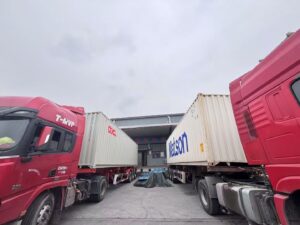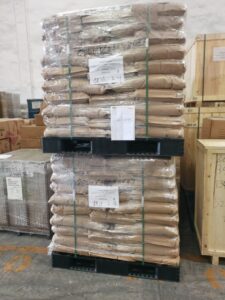
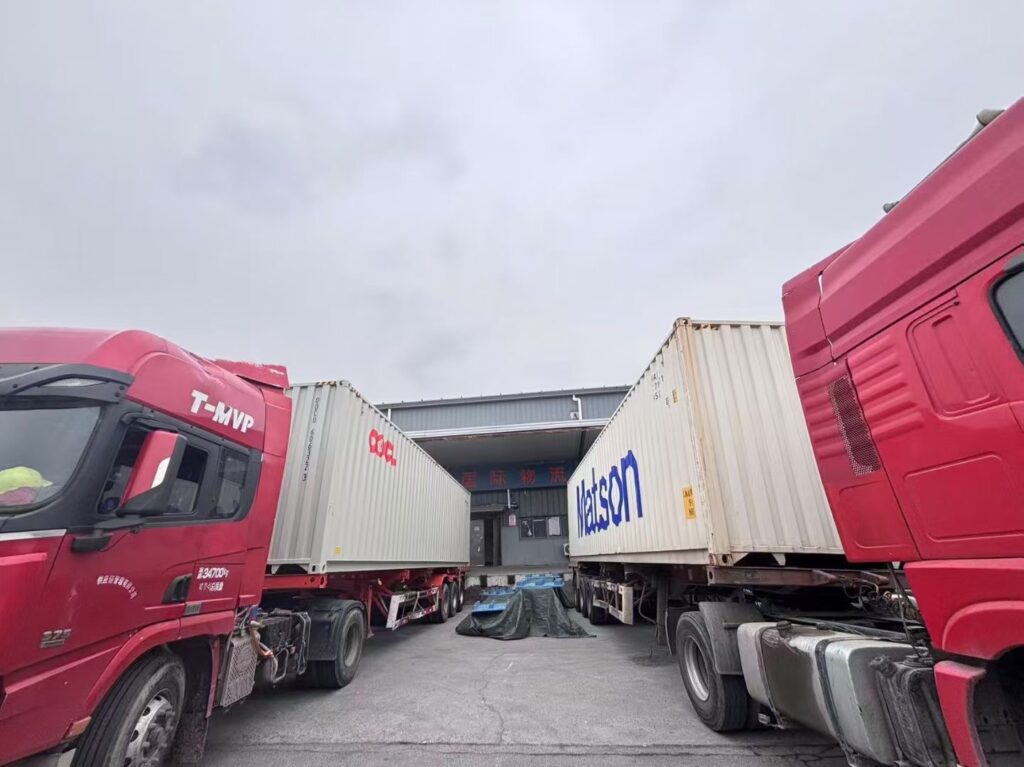
In today’s fast-paced global trade environment, businesses are constantly seeking ways to reduce logistics costs, improve efficiency, and streamline their supply chains. One of the most effective yet often overlooked strategies is warehouse consolidation. Whether you are sourcing from multiple suppliers or shipping smaller cargo volumes, consolidation can significantly optimize your international shipping operations.
This comprehensive guide explores everything you need to know about consolidation warehouses—from how they work to why they are essential for modern global logistics.
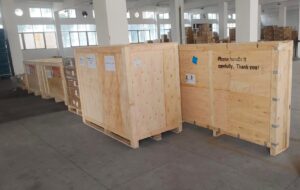
1. What Is a Consolidation Warehouse?
A consolidation warehouse is a logistics facility where goods from multiple suppliers or shipments are collected, stored temporarily, and combined into a single shipment before being transported to the final destination.
Instead of shipping multiple smaller consignments separately—which increases freight costs and complexity—cargo consolidation allows businesses to group shipments into Full Container Load (FCL) or optimized Less than Container Load (LCL) shipments.
This approach is widely used in international trade, especially for businesses sourcing products from different factories across regions like China.
2. How Does a Consolidation Warehouse Work?
The consolidation process follows a structured workflow designed to ensure efficiency and accuracy:
Step 1: Supplier Delivery
Multiple suppliers send goods to a designated consolidation warehouse.
Step 2: Receiving & Inspection
Warehouse staff verify quantities, check packaging, and inspect goods for damage or discrepancies.
Step 3: Sorting & Storage
Products are categorized and stored based on shipment schedules and destinations.
Step 4: Consolidation & Packing
Goods are combined into a single shipment. This may include palletizing, re-packaging, labeling, or barcode tagging.
Step 5: Documentation & Customs Preparation
All necessary export documentation is prepared, including packing lists, invoices, and customs declarations.
Step 6: Shipment Dispatch
The consolidated cargo is shipped via sea freight, air freight, or multimodal transport to the destination country.
This streamlined process reduces handling inefficiencies and ensures better cargo utilization.
3. Types of Consolidation Warehouses
Consolidation warehouses can vary depending on their purpose and operational scope:
a. Origin Consolidation Warehouses
Located near manufacturing hubs (e.g., Shenzhen, Ningbo), these facilities consolidate goods before export.
b. Destination Consolidation Warehouses
Used at the destination country to break down large shipments into smaller deliveries for distribution.
c. Bonded Warehouses
These warehouses allow goods to be stored without immediate payment of duties and taxes until they are released.
d. Cross-Docking Facilities
Goods are received and immediately transferred to outbound transportation with minimal storage time.
Each type serves a specific role in optimizing supply chain efficiency.
4. Benefits of Warehouse Consolidation for Global Shipping
Warehouse consolidation offers several strategic advantages:
Cost Reduction
Combining shipments significantly lowers freight costs, especially for LCL shipments.
Improved Efficiency
Fewer shipments mean reduced administrative work and better logistics coordination.
Enhanced Cargo Safety
Professional packing and handling reduce the risk of damage during transit.
Better Inventory Control
Centralized warehousing allows better tracking and inventory visibility.
Environmental Benefits
Fewer shipments lead to reduced carbon emissions, supporting sustainable logistics practices.
For companies managing multiple suppliers, consolidation can be a game-changer.
5. Consolidated Shipments: Definition and Process
A consolidated shipment refers to a logistics method where multiple smaller shipments are combined into one larger shipment.
Key Process:
- Collection of cargo from multiple suppliers
- Transport to consolidation warehouse
- Sorting and grouping by destination
- Combining shipments into containers
- Shipping to destination
- Deconsolidation and delivery
This process is particularly useful for SMEs that cannot fill an entire container on their own but still want cost-effective shipping solutions.
6. Warehouse Consolidation in China: A Strategic Logistics Choice
China remains one of the world’s largest manufacturing hubs, making consolidation warehouses in China highly valuable.
Why China?
- Extensive supplier networks
- Competitive manufacturing costs
- Advanced logistics infrastructure
- Major ports like Shanghai, Ningbo, Shenzhen
Using a consolidation warehouse in China allows buyers to:
- Combine products from multiple factories
- Reduce domestic transportation costs
- Ensure quality control before shipment
- Optimize export processes
For international buyers, this is a critical strategy for efficient sourcing.
7. When Should You Use a Consolidation Warehouse?
You should consider using a consolidation warehouse in the following scenarios:
- You are sourcing from multiple suppliers
- Your shipment volume is not enough for a full container
- You want to reduce freight costs
- You need quality inspection before shipment
- You want better control over shipping schedules
If your logistics involve complexity, consolidation is often the smarter choice.
8. Choosing a Reliable Partner for Cargo Consolidation
Selecting the right logistics partner is essential for successful consolidation.
Key Factors to Consider:
Experience & Expertise
Look for companies with strong international shipping experience.
Warehouse Network
Ensure they have strategically located warehouses in key regions.
Customs Clearance Capability
A partner with strong customs expertise can avoid delays and penalties.
Technology & Tracking
Real-time tracking and warehouse management systems are crucial.
Value-Added Services
Such as labeling, palletizing, repacking, and quality inspection.
A reliable logistics provider can turn consolidation into a competitive advantage rather than a risk.
9. FAQ: Common Questions About Consolidated Warehouses
Q1: Is consolidation suitable for small businesses?
Yes, it is especially beneficial for SMEs that ship smaller volumes.
Q2: Does consolidation increase transit time?
Slightly, due to the time needed to gather goods, but the cost savings often outweigh this.
Q3: Can fragile goods be consolidated?
Yes, with proper packaging and handling procedures.
Q4: What is the difference between LCL and consolidation?
LCL is a shipping method, while consolidation is the process that enables LCL shipments.
Q5: Are there risks involved?
Risks include delays and mismanagement, which can be minimized by choosing a reliable partner.
10. Conclusion: Boost Efficiency with Smart Warehouse Consolidation
Warehouse consolidation is no longer just an optional logistics strategy—it is a necessity for businesses looking to stay competitive in global trade. By combining shipments, reducing costs, and improving operational efficiency, consolidation warehouses provide a powerful solution for modern supply chains.
Whether you are importing from China, managing multi-supplier sourcing, or optimizing your freight strategy, adopting warehouse consolidation can significantly enhance your logistics performance.
Partnering with an experienced logistics provider ensures that your goods are handled professionally, shipped efficiently, and delivered reliably—helping your business grow in the global marketplace.