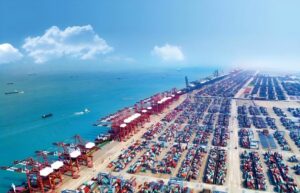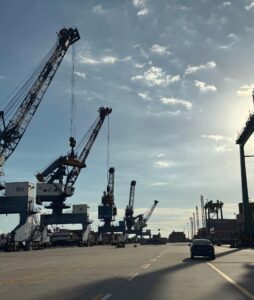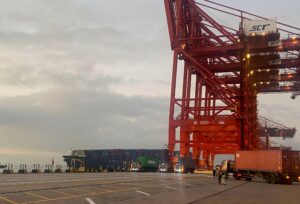
Europe shipping rates continue increasing in 2026 because of vessel rerouting, port congestion, and rising operational costs.
Due to security concerns in the Red Sea, many shipping lines are avoiding the Suez Canal and sailing around Africa. This longer route increases fuel consumption and reduces available vessel capacity.
Major European ports such as Rotterdam, Hamburg, and Antwerp are experiencing:
- Delayed vessel arrivals
- Yard congestion
- Rail transportation bottlenecks
- Longer container waiting times
Shipping lines are also implementing additional General Rate Increases (GRI) to offset rising operational expenses.
Another important factor is early inventory preparation by European importers. Many companies are shipping goods earlier than usual to avoid peak-season delays and space shortages.
To reduce logistics costs, businesses should:
- Book shipments early
- Optimize container loading
- Use flexible routing solutions
- Work with reliable freight forwarders
At Freights Logistics, we provide stable Europe shipping solutions with strong carrier partnerships and professional customs support.
FAQ
Why is Europe freight more expensive now?
Longer shipping routes and port congestion are major cost drivers.
Which European ports are most congested?
Rotterdam, Hamburg, and Antwerp currently face high operational pressure.