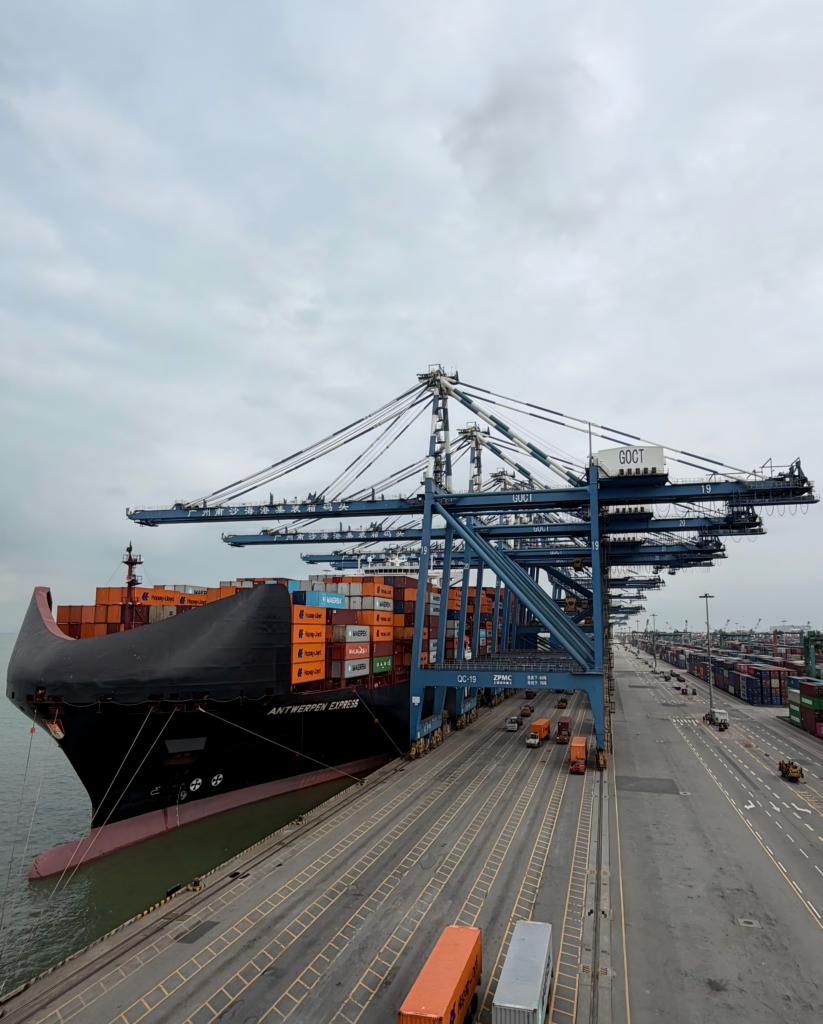
Freight Rates Keep Climbing Across Major Trade Lanes
The global freight market is entering one of the busiest periods of 2026. As July approaches, carriers across major shipping routes continue announcing rate increases, and available vessel space is becoming increasingly difficult to secure.
For importers and exporters, the question is no longer whether rates will rise—but how much higher they will go and how long the increases will last.
At FreightsLogistics, our market analysis indicates that freight rates will continue trending upward throughout July, with the strongest increases expected on routes to the United States, Europe, and Australia.
Why Are Freight Rates Rising?
Strong Peak Season Shipping Demand
July marks the heart of the traditional shipping peak season.
Retailers worldwide are preparing inventory for:
- Back-to-school sales
- Third-quarter promotions
- Holiday season demand
- Year-end retail campaigns
This surge in cargo volumes is placing significant pressure on vessel capacity.
Space Is Becoming Scarce
One of the biggest challenges in today’s market is space availability.
Many exporters wait until the second half of the month to deliver cargo to ports. This concentration of shipments creates intense competition for vessel slots and often leads to equipment shortages.
As vessels fill up, carriers gain the ability to push rates higher.
Carrier Pricing Power
Shipping lines have become increasingly disciplined in managing capacity.
Instead of aggressively competing on price, carriers are focusing on maintaining healthy utilization rates and stronger freight yields.
This strategy has successfully supported higher freight levels throughout the first half of 2026.
Expected Rate Increases by Trade Lane
Asia to United States
The U.S. remains the hottest market in global ocean freight.
Expected July increases:
- USD 1,000–2,000 per 40HQ
- Premium charges for priority loading
- Higher costs for guaranteed equipment programs
Major destinations affected include:
- Los Angeles
- Long Beach
- Oakland
- New York
- Savannah
The combination of strong consumer demand and limited vessel capacity continues to support aggressive carrier pricing.
Asia to Europe
Europe is also experiencing sustained upward pressure.
Expected increases:
- USD 500–1,000 per container
- Additional GRIs from multiple carriers
- Tight vessel space during peak weeks
Northern Europe remains the primary area of concern, particularly for importers shipping to major gateway ports.
Asia to Australia
Australia remains more balanced than the U.S. market but is still seeing clear upward movement.
Expected increases:
- USD 300–800 per container
- Strong demand from retail and construction sectors
- Reduced availability during peak departures
Shippers should prepare for higher transportation budgets during July.
How Long Will The Rate Increases Continue?
Current market indicators suggest that freight rates will remain elevated until at least late July.
Several factors support this outlook:
- Strong order volumes
- Continued peak season demand
- Stable carrier capacity management
- Limited signs of demand slowdown
Most market participants expect:
| Period | Market Direction |
|---|---|
| June | Rising rapidly |
| July | Continued increases |
| August | High but stabilizing |
| September | Possible correction |
However, if demand remains stronger than expected, elevated pricing could continue beyond the traditional peak season window.
Which Markets Offer Better Opportunities?
Not every trade lane is experiencing extreme increases.
Southeast Asia
Some Southeast Asian destinations remain relatively cost-effective.
Examples include:
- Vietnam
- Thailand
- Malaysia
- Indonesia
- Singapore
These markets benefit from shorter transit times and generally healthier capacity availability.
Regional Asian Routes
Intra-Asia shipping remains one of the more stable segments of the market.
Although rates have increased moderately, they remain significantly more competitive than long-haul routes to North America or Europe.
Strategies to Reduce Shipping Costs
Reserve Space Early
Early bookings remain the most effective way to avoid premium pricing.
Avoid End-of-Month Shipments
Cargo delivered during the final week of the month often faces:
- Limited vessel options
- Increased congestion
- Higher spot rates
Maintain Schedule Flexibility
Flexible loading dates can provide access to lower-cost sailings.
Build Strong Carrier Relationships
Reliable logistics partners can often secure space and equipment when market conditions become challenging.
Final Thoughts
The July 2026 freight market is expected to remain firmly in an upward cycle. Peak season demand, tightening vessel capacity, and carrier rate management are creating favorable conditions for continued price increases.
Current forecasts indicate:
- United States: +USD 1,000–2,000
- Europe: +USD 500–1,000
- Australia: +USD 300–800
The upward trend is expected to continue until at least the end of July, with rates potentially stabilizing during August.
For businesses planning international shipments, early action will be critical. Securing bookings ahead of the market can help reduce costs, minimize delays, and ensure cargo moves on schedule.
At FreightsLogistics, we continue monitoring global freight developments and helping customers navigate changing market conditions with reliable, cost-effective logistics solutions.