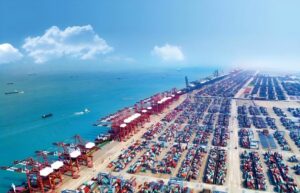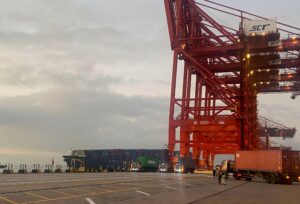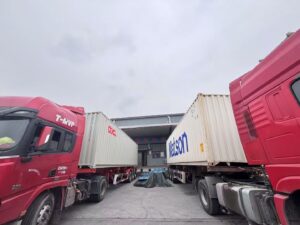
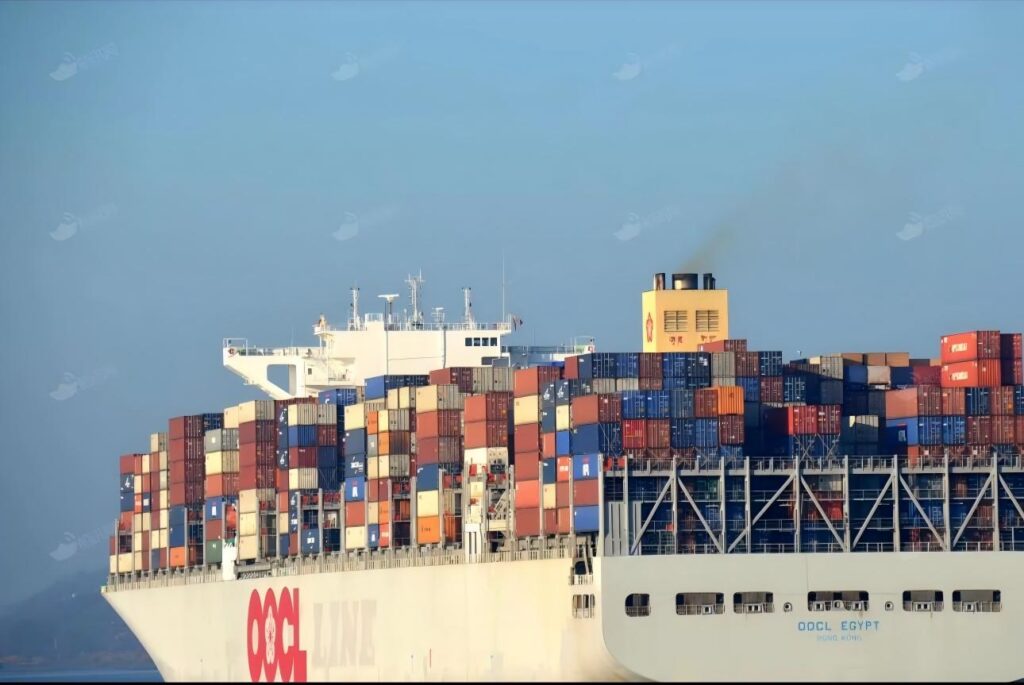
Global ocean freight markets continue to face significant challenges as August 2026 marks the height of the traditional peak shipping season. Strong cargo demand, limited vessel capacity, geopolitical uncertainty, and fluctuating fuel prices are creating a dynamic environment for importers and exporters worldwide.
For businesses planning international shipments in August, understanding current market conditions is essential for controlling transportation costs and avoiding supply chain disruptions.
Why August Is a Critical Month for Ocean Freight
Every year, August is one of the busiest months for global container shipping. Manufacturers across Asia are shipping goods for autumn retail sales, Black Friday promotions, and year-end holiday inventories.
In 2026, demand has remained stronger than expected, with many companies booking cargo earlier to avoid future rate increases and potential delays.
As a result, shipping lines continue operating with high vessel utilization, particularly on major trade routes connecting Asia with North America and Europe.
Current Market Trends
Demand Continues to Outpace Available Capacity
Although additional vessels have entered service during the first half of the year, cargo demand is still growing faster than available capacity on several major routes.
Shipping lines are prioritizing space utilization by:
- Limiting low-rate allocations
- Promoting premium booking services
- Adjusting sailing schedules
- Managing container equipment more carefully
This strategy has helped maintain stable freight rates despite changes in global trade volumes.
Freight Rates Show Different Regional Patterns
Instead of one global trend, August is expected to produce different market conditions across various trade lanes.
North America
Demand remains exceptionally strong.
Importers continue building inventory ahead of the holiday shopping season, keeping vessel utilization high and supporting freight rates.
Europe
European services are becoming more balanced compared with earlier months.
However, market stability still depends heavily on developments affecting the Red Sea and Suez Canal.
Middle East
Regional uncertainty continues to influence shipping costs.
Additional insurance premiums and fuel-related expenses remain important considerations for exporters.
Oceania
Australia and New Zealand continue to experience relatively stable demand, although available space may tighten during the second half of August.
Fuel Prices Continue to Influence Ocean Freight Costs
Another important factor affecting August freight rates is the increase in bunker fuel prices.
Shipping companies continue adjusting fuel surcharges to reflect higher operating costs.
Although bunker adjustment factors vary by carrier and trade lane, businesses should expect transportation costs to remain above average throughout August.
Companies shipping long-distance routes may experience the greatest impact because fuel represents a significant portion of overall voyage expenses.
Port Operations Remain Relatively Stable
Unlike previous years, widespread port congestion has eased in many regions.
However, temporary delays still occur because of:
- High export volumes
- Customs inspections
- Equipment shortages
- Terminal scheduling adjustments
While these issues are generally manageable, exporters should still allow additional time when planning deliveries.
Four Strategies to Reduce Shipping Costs
1. Confirm Shipping Plans Early
Waiting until cargo is fully produced may reduce available booking options.
Early planning allows greater flexibility when selecting carriers and sailing schedules.
2. Reserve Space Before Peak Weeks
Many carriers begin restricting low-cost allocations during the busiest weeks of August.
Booking in advance increases the likelihood of obtaining more competitive freight rates.
3. Maintain Flexible Routing
Alternative loading ports or transit options may provide better availability and shorter waiting times.
Experienced freight forwarders can recommend the most efficient routing based on current market conditions.
4. Monitor Carrier Announcements
General Rate Increases (GRIs), Peak Season Surcharges (PSS), and fuel adjustments can change quickly.
Staying informed helps businesses make timely shipping decisions.
Market Outlook for the Rest of August
Industry analysts expect freight rates to remain relatively firm throughout the remainder of August.
Although dramatic increases similar to those seen during the pandemic are unlikely, the market continues to favor carriers due to healthy demand and disciplined capacity management.
The strongest pricing pressure is expected on:
- Asia to United States
- Southeast Asia to North America
- India to Europe
Meanwhile, several European routes may experience modest stabilization if shipping conditions through the Suez Canal continue to improve.
Final Thoughts
August 2026 presents both opportunities and challenges for global shippers.
Businesses that prepare early, secure vessel space in advance, and remain flexible with routing decisions will be better positioned to manage transportation costs and avoid unnecessary delays.
As the global freight market continues evolving, proactive logistics planning remains the most effective strategy for maintaining a reliable and cost-efficient supply chain.
Whether shipping full containers, LCL cargo, or specialized freight, working with an experienced logistics partner can help businesses navigate changing market conditions and ensure goods reach their destinations safely and on schedule.