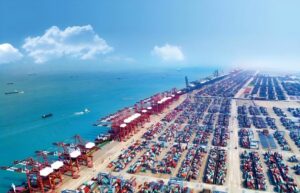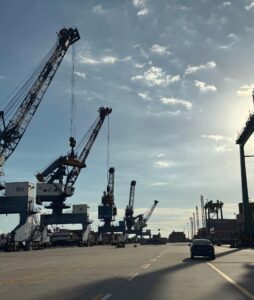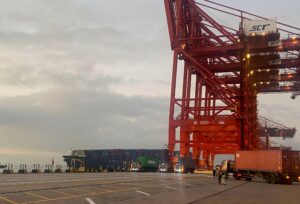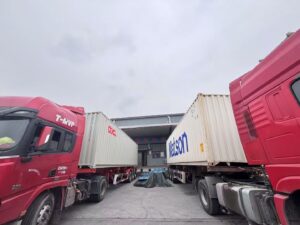
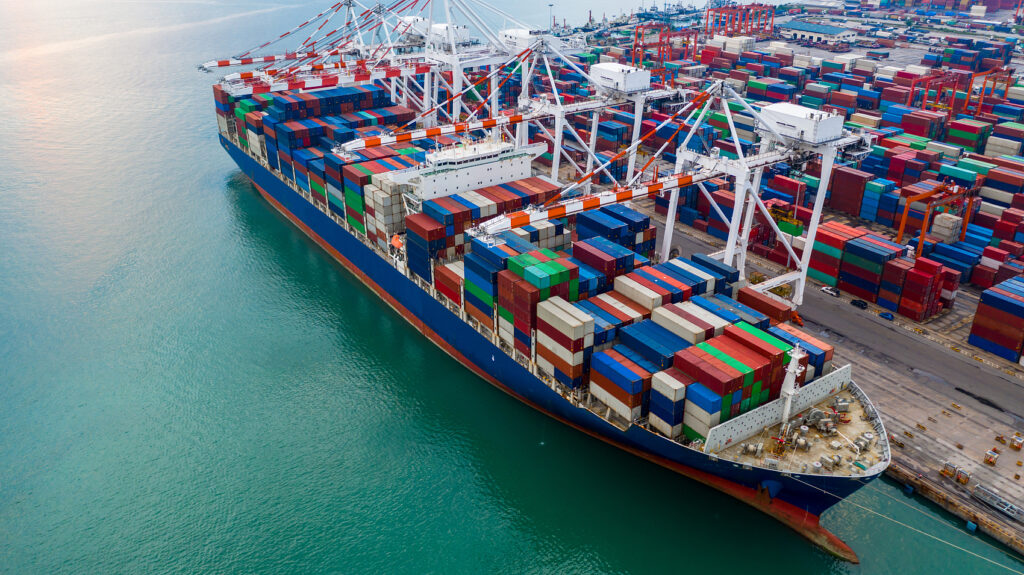
The global ocean freight market in May 2026 continues facing volatility caused by geopolitical risks, port congestion, and shifting supply chain strategies. The Red Sea crisis remains one of the biggest factors affecting international shipping routes and vessel schedules.
Many shipping lines continue avoiding the Suez Canal and rerouting vessels around the Cape of Good Hope. This has increased transit times between Asia and Europe by up to two weeks while also reducing effective vessel capacity.
Freight rates on Europe routes continue rising due to strong cargo demand, equipment shortages, and port congestion. US shipping routes remain relatively more stable, although e-commerce demand and Amazon inventory preparation are increasing pressure on vessel space.
Middle East shipping also faces operational uncertainty because of regional tensions and changing customs procedures.
Global ports including Singapore, Rotterdam, and Hamburg are experiencing higher congestion levels due to delayed vessel arrivals and schedule disruptions.
Industry analysts expect Q3 2026 freight rates to remain elevated because of peak-season cargo demand and continued supply chain instability.
Businesses can reduce logistics risks by:
- Booking cargo earlier
- Diversifying transportation routes
- Using multimodal transport solutions
- Working with experienced freight forwarders
At Freights Logistics, we provide:
- Ocean Freight
- Air Freight
- Door-to-Door Delivery
- Customs Clearance
- Multimodal Transportation
FAQ
Why are freight rates rising in 2026?
Red Sea disruptions, congestion, and strong cargo demand continue pushing rates higher.
How can businesses reduce shipping risks?
Advance planning and flexible logistics solutions help improve supply chain stability.