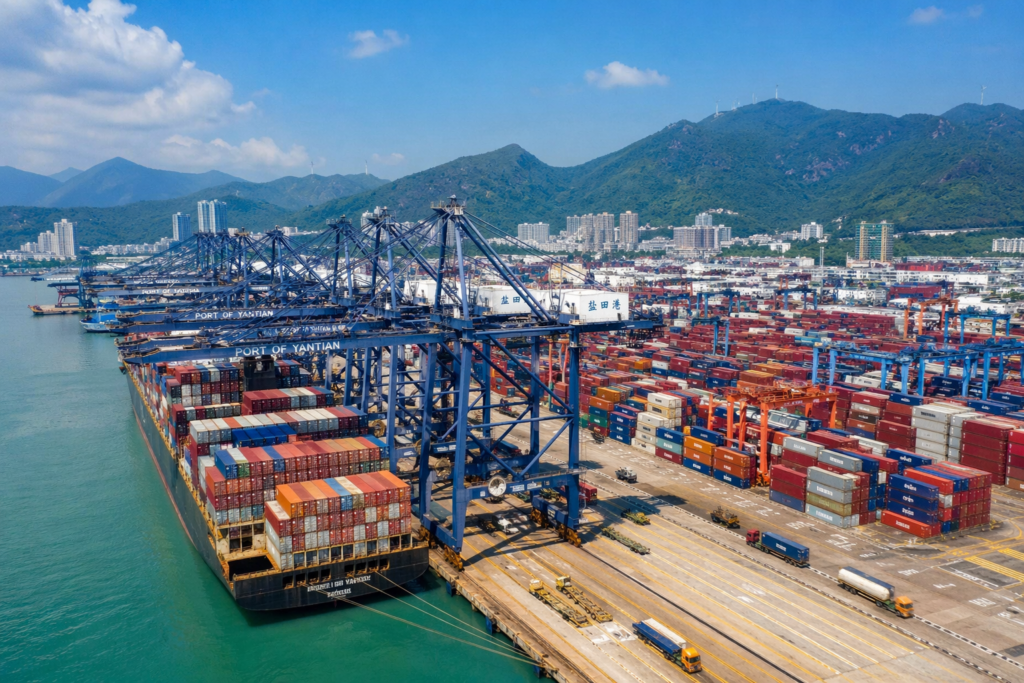
As June comes to an end, global shippers, importers, and exporters are increasingly focused on one critical question: What will happen to ocean freight rates in July 2026?
Following several weeks of rate increases across major trade lanes, the global container shipping market is entering the traditional peak shipping season. Combined with ongoing geopolitical uncertainty, carrier capacity management, and strong demand from key consumer markets, many logistics professionals expect freight rates to remain elevated throughout July.
In this market outlook, FrightsLogistics analyzes the key factors influencing ocean freight pricing and provides our forecast for major shipping routes during July 2026.
Global Shipping Market Overview
The global container market showed clear signs of strengthening throughout June.
Several factors contributed to recent freight rate increases:
- Early peak season cargo demand
- General Rate Increases (GRIs) implemented by carriers
- Peak Season Surcharges (PSS)
- Capacity management programs
- Rising fuel costs
- Continued geopolitical risks in the Middle East
While significant new vessel deliveries have increased overall shipping capacity globally, demand growth during the summer shipping season is currently absorbing much of that additional supply.
As a result, vessel utilization rates have improved across many major trade lanes.
China to Europe: Rates Expected to Remain Strong
The Asia-Europe trade lane is likely to remain one of the strongest-performing routes during July.
European importers continue replenishing inventory for the second half of the year, while many retailers are already preparing for autumn and holiday sales campaigns.
Several market indicators suggest:
- Vessel space will remain tight
- Spot rates may continue rising
- Premium services could experience capacity shortages
- Booking lead times may increase
FreightsLogistics Forecast
July 2026 Outlook:
▲ Rate Trend: Moderate Increase
Expected Increase:
5% – 15%
Particularly for:
- Northern Europe
- Germany
- Netherlands
- Belgium
- France
Early booking is strongly recommended for July departures.
China to USA: Peak Season Pressure Builds
The Trans-Pacific market is entering a critical period.
US importers continue restocking inventories, and many businesses are accelerating shipments ahead of potential market uncertainties later in the year.
Although shipping capacity remains higher than previous years, carriers have successfully managed supply through blank sailings and network adjustments.
FreightsLogistics Forecast
July 2026 Outlook:
▲ Rate Trend: Stable to Slight Increase
Expected Increase:
3% – 10%
Most affected routes:
- US West Coast
- US East Coast
- Gulf Coast
Shippers should expect tighter vessel availability during the second half of July.
Southeast Asia Trade Lanes Remain Competitive
Unlike Europe and North America, Southeast Asian shipping routes continue benefiting from strong competition among carriers.
Growing manufacturing activity in:
- Vietnam
- Thailand
- Indonesia
- Malaysia
has increased cargo volumes, but carrier competition remains intense.
FreightsLogistics Forecast
July 2026 Outlook:
► Rate Trend: Mostly Stable
Expected Movement:
0% – 5%
Most Southeast Asian destinations are expected to maintain relatively stable pricing compared with Europe and North America.
This creates opportunities for businesses sourcing products from the region.
Australia and New Zealand Continue Seasonal Growth
The Australia and New Zealand markets are expected to experience continued rate increases throughout July.
Several factors are contributing to upward pressure:
- Increased construction imports
- Consumer goods demand
- Seasonal agricultural equipment shipments
- Limited direct service capacity
Port operations remain relatively stable, but vessel space is becoming more competitive.
FreightsLogistics Forecast
July 2026 Outlook:
▲ Rate Trend: Moderate Increase
Expected Increase:
5% – 12%
Most affected destinations:
- Sydney
- Melbourne
- Brisbane
- Auckland
Advance booking is advised for large-volume shipments.
Middle East Market Faces Uncertainty
The Middle East remains one of the most closely watched regions in global shipping.
Although container services continue operating normally, concerns surrounding regional security and energy transportation continue affecting market sentiment.
Additional operational costs may include:
- Fuel surcharges
- Security-related fees
- Insurance adjustments
FreightsLogistics Forecast
July 2026 Outlook:
▲ Rate Trend: Volatile
Expected Movement:
5% – 20%
Depending on geopolitical developments.
Shippers serving Gulf countries should closely monitor market updates.
Key Risks That Could Impact July Freight Rates
Several factors could cause unexpected market movements during July:
1. Geopolitical Developments
Middle East tensions remain a major risk factor affecting global transportation costs.
2. Peak Season Demand
Stronger-than-expected cargo volumes could create additional pressure on vessel capacity.
3. Port Congestion
Any disruption at major ports could quickly impact freight rates and schedules.
4. Carrier Pricing Strategies
Additional GRIs and Peak Season Surcharges remain possible throughout July.
FreightsLogistics Recommendations for Shippers
To minimize logistics costs and avoid delays, we recommend:
Boeok Earlier
Reserve vessel space at least 2–3 weeks before cargo readiness.
Diversify Transportation Options
Consider alternative ports and routing strategies when appropriate.
Monitor Market Conditions
Stay informed about carrier announcements and freight market developments.
Work with Experienced Logistics Partners
Reliable freight forwarders can help secure capacity and identify cost-saving opportunities.
Conclusion
July 2026 is expected to be another active month for the global ocean freight market.
While freight rates are unlikely to return to the extreme highs seen during previous supply chain crises, most major trade lanes are expected to experience continued upward pressure due to seasonal demand, carrier capacity management, and geopolitical uncertainty.
For businesses involved in international trade, preparation and flexibility will be essential during the coming weeks.
FreightsLogistics will continue monitoring market developments and providing reliable freight solutions to help customers navigate changing global shipping conditions.
Whether you require FCL, LCL, air freight, DDP shipping, project cargo, or supply chain management services, our team is ready to support your global logistics needs.