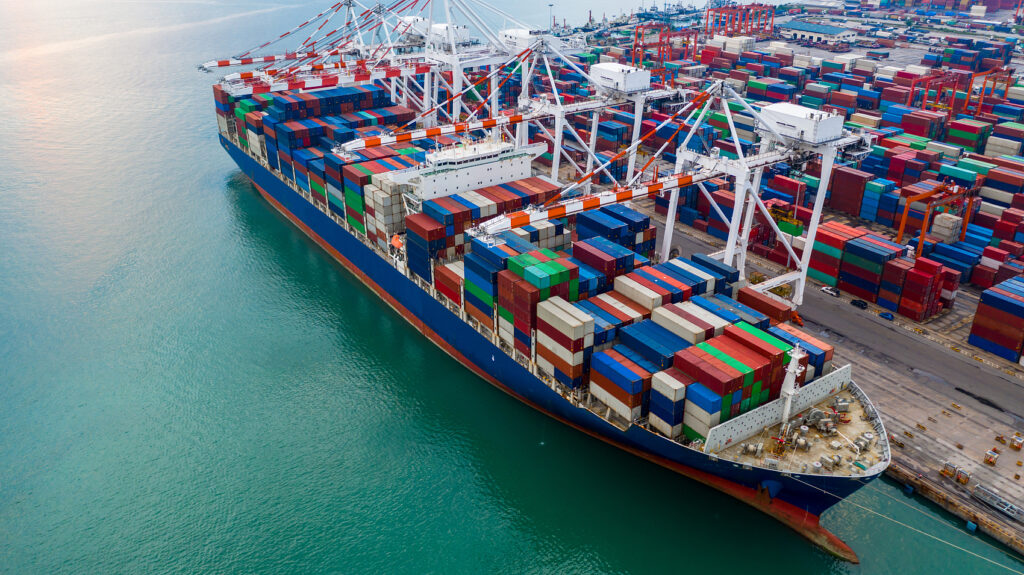
In international trade, ocean freight rates change frequently, creating uncertainty for importers and exporters around the world. For companies shipping goods from manufacturing hubs like China to global markets, fluctuating freight rates can make it difficult to calculate logistics costs and maintain stable profit margins.
Shipping line companies regularly adjust ocean freight rates based on market conditions, vessel capacity, and global trade demand. As a result, businesses may see freight quotes change from week to week—or even day to day.
So how can companies reduce the impact of these constant price fluctuations? In this article, we will explore the reasons behind changing ocean freight rates and explain how working with an experienced logistics provider like Freights Logistics can help stabilize shipping costs.
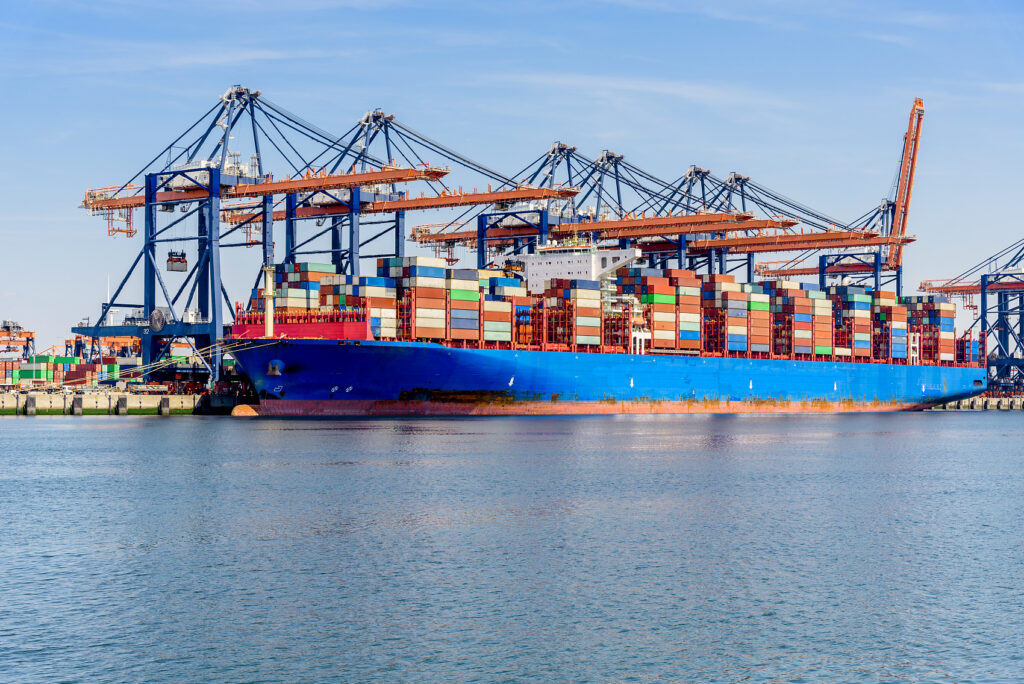
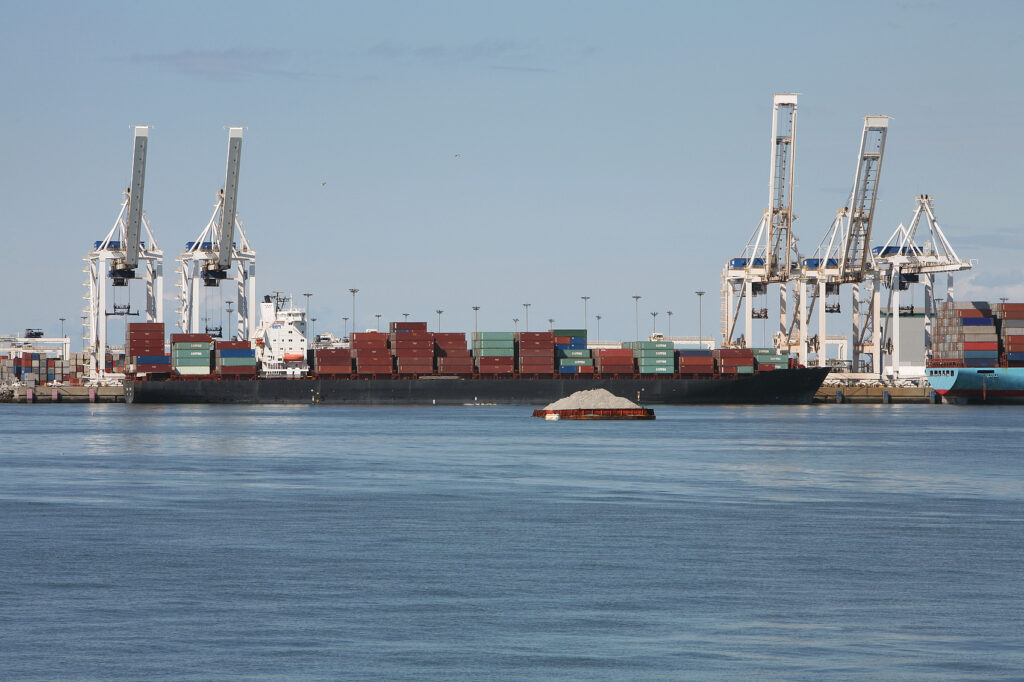
Why Ocean Freight Rates Change So Often
Ocean freight pricing is influenced by multiple factors across the global shipping industry. Unlike many transportation services, container shipping operates in a highly dynamic market where prices respond quickly to changing conditions.
Below are some of the main reasons why freight rates frequently fluctuate.
1. Supply and Demand in Global Shipping
The most important factor affecting freight rates is the balance between supply and demand. When export volumes increase—especially during peak shipping seasons—available vessel space becomes limited, causing freight rates to rise.
On the other hand, when shipping demand decreases, carriers may lower their prices to fill empty containers and maintain operational efficiency.
This constant market adjustment results in frequent changes to ocean freight rates.
2. Fuel Prices and Operating Costs
Fuel represents one of the largest expenses for shipping lines. When global fuel prices increase, carriers often introduce fuel surcharges or adjust freight rates to offset their operational costs.
Other expenses such as port handling fees, labor costs, environmental regulations, and vessel maintenance can also influence freight pricing.
Because these factors change regularly, ocean freight rates often follow the same pattern.
3. Global Trade Policies and Geopolitical Factors
International trade policies and geopolitical developments can also impact shipping rates. Tariff changes, trade disputes, sanctions, and regional conflicts can affect shipping routes, cargo volumes, and overall transportation demand.
When such disruptions occur, shipping companies may adjust their pricing strategies to adapt to changing market conditions.
4. Peak Seasons and Container Availability
During peak shipping periods—such as before major retail seasons or global shopping events—demand for container space increases significantly.
When vessel capacity becomes limited, shipping lines often raise freight rates to manage demand. Similarly, container shortages in key export regions can lead to sudden price increases.
These seasonal fluctuations are common in global logistics and contribute to the frequent changes in freight rates.
The Challenge for Importers and Exporters
Frequent ocean freight changes create several challenges for businesses involved in international trade:
-
Difficulty calculating accurate shipping costs
-
Unpredictable logistics budgets
-
Increased risk of unexpected transportation expenses
-
Complex supply chain planning
When freight rates rise suddenly, businesses may face higher operational costs, which can affect product pricing and overall profitability.
For companies that ship regularly, maintaining stable logistics costs becomes a major priority.
The Best Strategy: Locking in Stable Freight Rates
One of the most effective ways to avoid frequent freight rate fluctuations is to lock in a stable ocean freight rate with your freight forwarder.
Instead of negotiating new rates for every shipment, businesses can agree on a fixed freight rate for an entire season or even a full year.
This approach provides several advantages.
1. Better Cost Control
With a stable freight rate, businesses can calculate their logistics expenses more accurately and manage budgets more effectively.
2. Protection Against Market Volatility
If market freight rates increase during the contract period, companies with fixed agreements can continue shipping at their previously agreed price.
3. Easier Supply Chain Planning
Stable freight rates allow businesses to schedule shipments and manage inventory with greater confidence.
How Freights Logistics Helps Clients Manage Freight Rate Fluctuations
Freights Logistics has extensive experience managing international shipments and helping clients navigate the complex and ever-changing freight market.
Rather than relying solely on short-term spot pricing, Freights Logistics works closely with global shipping carriers to help clients secure stable freight rates for longer periods.
Key advantages of working with Freights Logistics include:
Long-Term Freight Agreements
Freights Logistics can help clients negotiate seasonal or annual freight contracts with shipping lines. These agreements allow businesses to lock in stable rates and reduce exposure to sudden market changes.
Strong Partnerships with Shipping Lines
Through long-term cooperation with major international carriers, Freights Logistics has access to reliable vessel space and competitive freight pricing—even during busy shipping seasons.
Customized Shipping Strategies
The logistics team analyzes shipment volumes, delivery schedules, and destination ports to design efficient and cost-effective transportation plans for each client.
Industry Insights and Market Monitoring
Freights Logistics continuously monitors global shipping market trends and provides professional advice to help clients plan shipments at the most favorable times.
Additional Ways to Reduce Freight Cost Risks
Besides locking in long-term freight rates, businesses can also reduce risk by adopting several practical strategies:
-
Plan shipments in advance to avoid peak season surcharges
-
Consolidate cargo shipments to maximize container utilization
-
Choose flexible shipping routes and ports when possible
-
Partner with experienced freight forwarders who understand market trends
These strategies can help businesses manage shipping costs more effectively.
Final Thoughts
Frequent changes in ocean freight rates are a normal part of the global shipping industry. Market demand, fuel costs, trade policies, and seasonal shipping cycles all contribute to these fluctuations.
For importers and exporters, these price changes can create uncertainty and make logistics planning more challenging.
One of the most effective solutions is to lock in stable freight rates with a reliable logistics partner for an entire season or year.
With extensive industry experience, strong carrier partnerships, and professional logistics planning, Freights Logistics helps businesses secure stable freight rates and maintain predictable shipping costs.
By working with an experienced freight forwarder, companies can reduce logistics risks, improve supply chain stability, and focus on expanding their global trade with confidence.