Destination charges Introduction
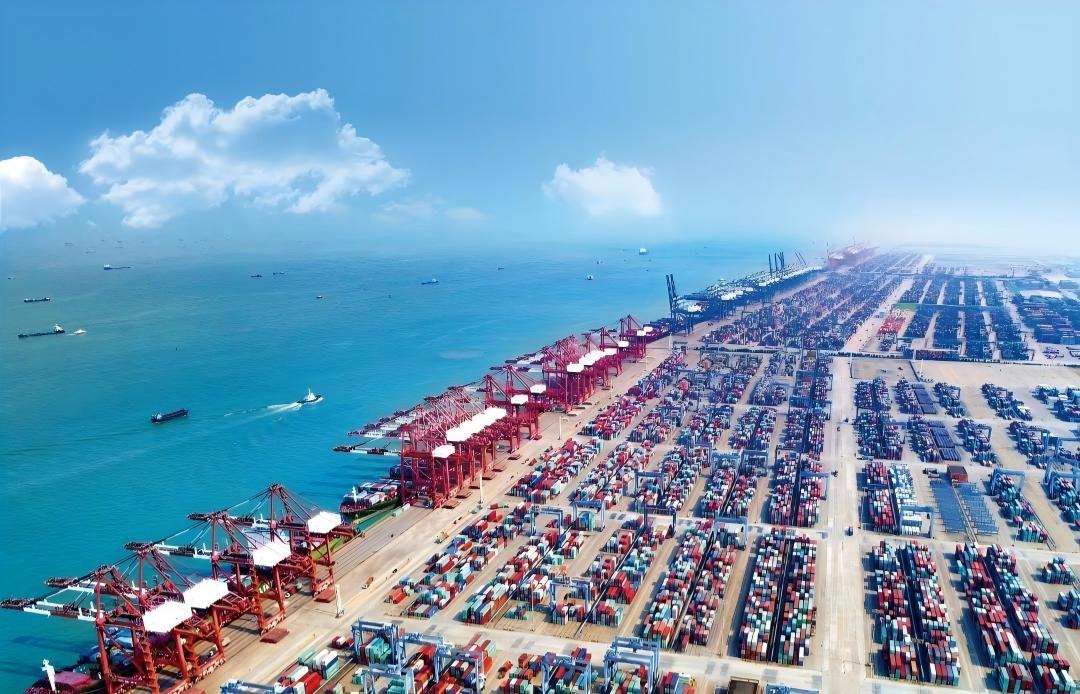
Destination charges refer to all costs incurred after goods arrive at the destination port, typically borne by the consignee. These fees cover various aspects including port operations, customs procedures, documentation processing, and inland transportation, representing a significant component of international logistics costs.
If you’ve ever imported goods internationally—whether by sea freight or air freight—you’ve probably encountered something called a destination charge on your shipping invoice. Many shippers are caught off guard by this cost, especially when they thought the freight rate they paid covered “door-to-door” delivery.
In this guide, we’ll explain what destination charges are, why they exist, how they’re calculated, and how you can manage or reduce them.
What Is a Destination Charge?
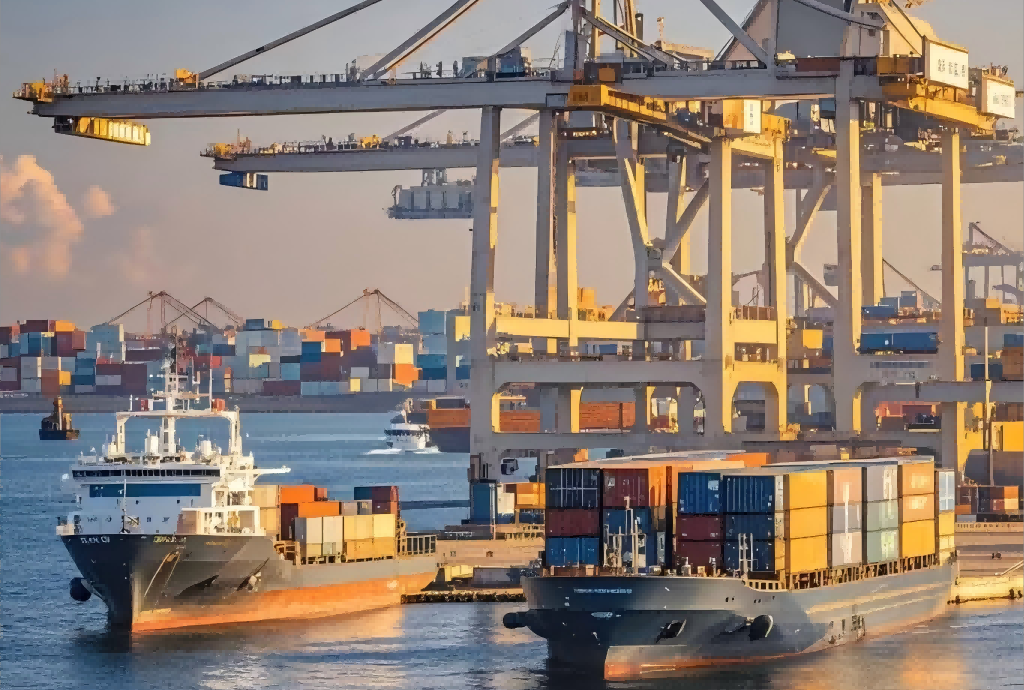
A destination charge refers to the fees collected by a freight forwarder, shipping line, or terminal operator at the destination port or airport. These charges cover the handling and processing of your cargo once it arrives at its final location.
Think of it as the cost of receiving and processing your shipment after it has reached your country, but before it’s released for pickup or delivery.
Why Are Destination Charges Applied?
You may think that why you have to pay these charges. Why don’t manufacturers cover this price overall?
Destination charges exist because import handling involves multiple services and facilities. While the freight rate covers the transportation from the origin port to the destination port, it doesn’t include destination-side operational expenses
Main destination charges include:
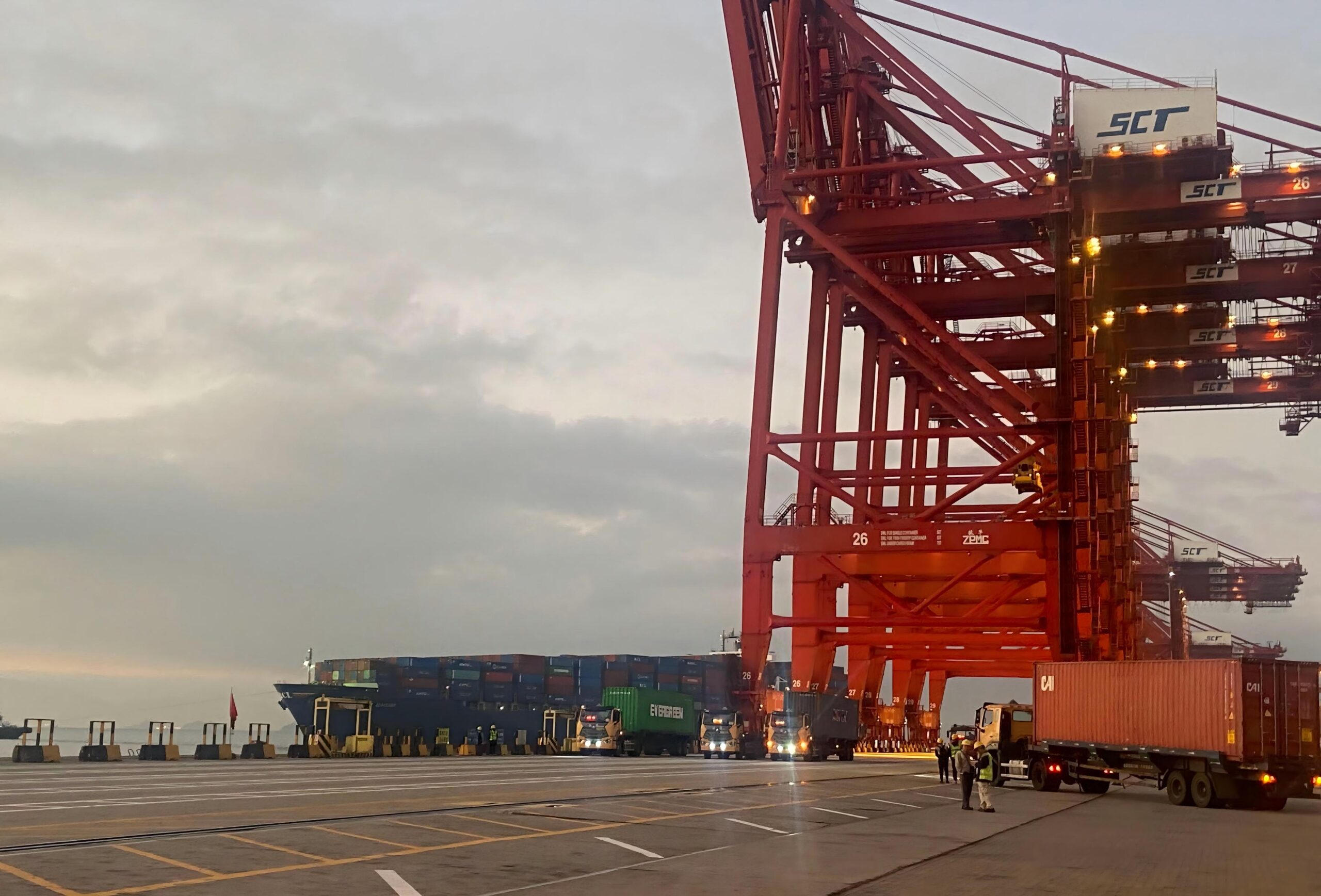
Terminal Handling Charges (THC)
Documentation Fees (DOC)
Customs Clearance Charges
International Ship and Port Facility Security (ISPS) Fees
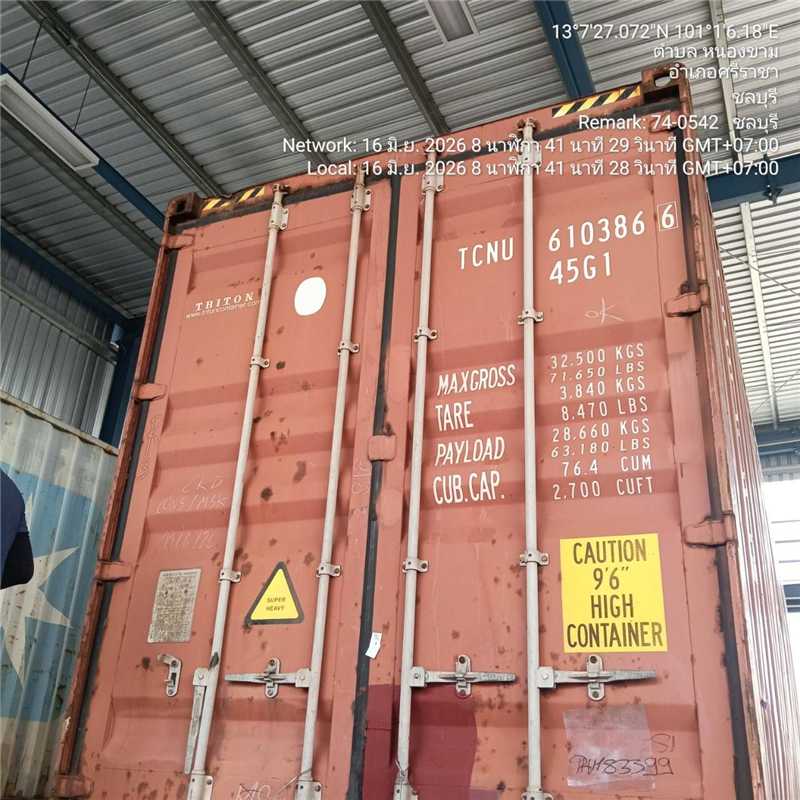
Container Demurrage/Detention Charges
Inland Transportation Fees (Truck/Rail)
Warehousing and Distribution Fees
Detailed Breakdown of Destination Charges
1. Terminal-Related Fees
Terminal Handling Charges (THC): $200-$500/container
Port Infrastructure Fees: $50-$150/container
Container Lifting Fees: $100-$300/operation
2. Customs Clearance Fees
Customs Declaration Fees: $100-$250/shipment
Inspection and Quarantine Fees: $150-$400 (if applicable)
Duties and Taxes: Based on commodity type and value
3. Container Usage Fees
Free Time: Typically 4-7 days
Demurrage: $50-$200/day
Detention: $100-$300/day
Australian Detention allows free use for 14-17 days
4. Inland Logistics Fees
Port-to-Door Transportation: $2.5-$4.5/mile
Warehousing: $25-$75/pallet/month
Distribution: $50-$150/delivery point
Key Factors Affecting Destination Charges
Commodity Type and Value
General goods vs. sensitive products (FDA, DOT regulated)
Product value affecting duty rates
Container Type
Standard vs. special containers (reefer, open-top)
Container size (20’FT/40’HQ/45’HQ)
Clearance Complexity
Special certification requirements(COO,FORM-E )
Customs inspection probability
Seasonal Factors
Peak season surcharges
Holiday operation fees
15 Practical Strategies to Reduce Destination Charges
Pre-Planning Phase
Accurate Commodity Classification
Use correct HS codes to avoid misdeclaration penalties
Consult professional customs brokers in advance
Optimize Packaging Design
Reduce volumetric weight to lower chargeable basis
Standardize pallet sizes to improve loading efficiency
Choose Appropriate Trade Terms
DDP terms overall cost optimization
Execution Phase
Pre-Clearance Preparation
Submit complete documentation 7 days before arrival
Electronic declaration to reduce manual processing
Appointment Management
Avoid peak arrival times to reduce waiting
Precise container pickup and delivery scheduling
Container Management
Monitor free time periods
Plan container return in advance
Partner Selection
Choose End-to-End Service Providers
Avoid multiple subcontracting markups
Enjoy volume discounts through consolidated services
Local Partnerships
Leverage local companies’ port resources
Agents familiar with local fee structures
Technical Solutions
Digital Tracking
Real-time container status monitoring
Automated alerts for potential detention risks
Data Analysis Optimization
Historical fee analysis to identify anomalies
Cost prediction models
Dispute Resolution Guide
Common Disputed Charges
Unreasonable Demurrage
Force majeure periods (weather/strikes)
Timeouts caused by port operational delays
Duplicate Charges
Multiple billing for same service
Charges for services not rendered
Hidden Fees
Undisclosed additional charges
Vaguely described service fees
Dispute Resolution Steps
Collect evidence (invoices, appointment records, emails)
Formal written inquiry requesting details
Seek third-party arbitration (if necessary)
Consider changing providers (for chronic issues)
Destination Charges Characteristics by Country
US Major Ports
Los Angeles/Long Beach:
-Handing Fees:$85
– Port Congestion Surcharge: $150 (peak season)
– Chassis Rental Fees: $50-110/day
New York/New Jersey:
– Tunnel Access Surcharges
– Night Operation Fees
European Major Ports
Rotterdam:
– Environmental Surcharges
– EU Customs System Usage Fees
Hamburg:
– Express Clearance Surcharges
– Winter Operation Fees
Destination Charge vs. Freight Charge – What’s the Difference?
It’s easy to confuse the two, but here’s the key distinction:
Freight Charge: Covers transportation of goods from the origin port to the destination port.
Destination Charge: Covers handling, processing, and related services once the goods arrive.
Even if you paid for CIF (Cost, Insurance, and Freight) shipping, destination charges are still your responsibility.
How Much Are Destination Charges?
There is no fixed global rate—charges depend on:
Destination country
Port or terminal operator
Type of cargo (FCL vs. LCL)
Volume and weight of the shipment
Additional inspections or storage time
Example: For a standard 20-foot container, destination charges in the U.S. might range from USD $300 – $600, while in Australia they could be AUD $400 – $700.
Who Pays the Destination Charge?
Under most Incoterms, the importer (consignee) is responsible for paying destination charges.
For example:
FOB, CFR, CIF → Importer pays destination charges.
DAP, DDP → Exporter may cover destination charges, depending on agreement.
How to Reduce Destination Charges
While you can’t avoid destination charges completely, you can take steps to keep them lower:
Pick up cargo promptly – Avoid demurrage and storage fees.
Negotiate with your freight forwarder – Some fees are negotiable.
Understand your Incoterms – Choose terms that match your budget.
Work with a trusted logistics partner – They can optimize your port and carrier selection.
BRF logistics is a good choice, with a reliable team and the lowest price
FAQs on Destination Charges
1. Are destination charges included in my freight quote?
Not always—many quotes list freight charges only. Always ask for a “landed cost” breakdown.
2. Can destination charges be disputed?
If you believe you were overcharged, request an itemized invoice from the carrier or terminal.
3. Are destination charges the same for sea and air freight?
No—while both have arrival fees, sea freight charges are usually higher due to container handling.
Conclusion
Destination charges are an unavoidable part of international shipping. By understanding what they cover and planning ahead, you can avoid costly surprises and keep your logistics budget under control.
Whether you’re importing full containers or small air shipments, working with a reliable freight forwarder ensures transparency and efficiency in handling your cargo at its final destination.
China Gateways: Dalian · Tianjin · Qingdao · Shanghai · Ningbo · Xiamen · Shenzhen
Core Services: Ocean FCL/LCL, Air, Rail to EU,Pick up, Trucking, Warehousing, Customs Brokerage,Door to door
Email:
[email protected]
LU MA ,WHATSAPP: +8617864216034
SUNDY MA ,WHATSAPP: +8615764249056
Tip: For China-origin shipments, ask about our weekly LCL consolidations to USA, UK, AU, and SEA hubs.