Procedures, Costs, and Compliance Risks Explained
A Practical Guide for International Shippers – By Freights Logistics
In international ocean freight, documentation accuracy is just as critical as vessel space availability and transit time. Among all shipping documents, the cargo manifest plays a central role in customs supervision, cargo release, and terminal coordination.
Errors in manifest data can lead to shipment delays, financial penalties, compliance investigations, higher inspection rates, and even reputational risks. At Freights Logistics, we treat manifest accuracy as a core component of supply chain risk management. In this guide, we break down the amendment procedures, associated costs, and regulatory risks related to ocean freight manifest corrections—so shippers can better understand how to avoid costly disruptions.
1. The Strategic Importance of the Cargo Manifest
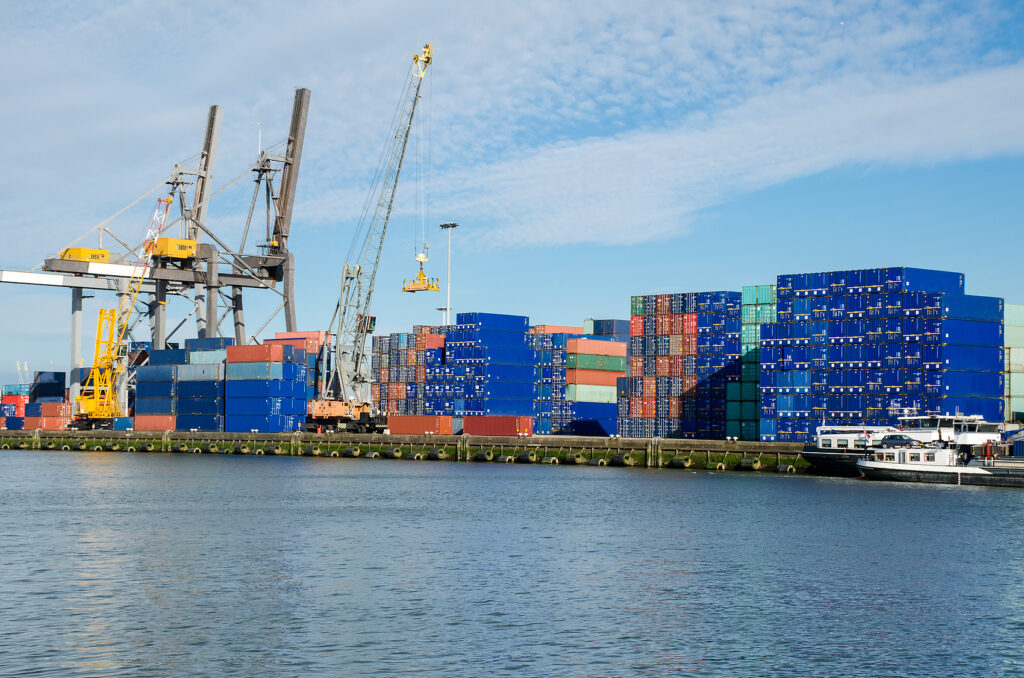
The cargo manifest is the electronic data submitted by the carrier to customs authorities. It serves as the official basis for:
- Customs declaration and clearance
- Risk profiling and inspection selection
- Terminal container release
- Import/export regulatory supervision
Critically, manifest data must be fully consistent with customs declarations and supporting shipping documents such as the commercial invoice, packing list, and Bill of Lading.
Common Manifest Errors
Even minor discrepancies can trigger system rejections or customs queries. Typical issues include:
- Incorrect package quantity
- Gross weight inconsistencies
- Volume misstatements
- Commodity description conflicts
- Incorrect HS codes
- Shipper or consignee detail mismatches
- Wrong container or seal numbers
- VGM (Verified Gross Mass) discrepancies
- Incorrect Bill of Lading numbers
In today’s digital customs systems, discrepancies are detected instantly through automated cross-checking.
2. Manifest Amendment Procedures by Scenario
Manifest amendment procedures vary depending on the shipment stage. Timing is critical—the later the correction, the higher the complexity and cost.
A. Export Manifest Amendments
Scenario 1: Not Declared and Not Loaded
If the shipment has not yet been declared to customs or loaded onto the vessel:
- Submit a written amendment request to the carrier
- Provide corrected commercial invoice, packing list, and confirmation
- The carrier updates terminal data and resubmits the manifest
This is the simplest and least risky scenario.
At Freights Logistics, we emphasize pre-entry data verification before customs declaration to avoid complications later.
Scenario 2: Declared but Not Yet Released
If customs declaration has already been submitted:
- Apply for customs amendment or cancellation
- After customs approval, the carrier revises the manifest
- The shipment must be re-declared
This process requires close coordination between the customs broker and carrier, increasing operational workload and processing time.
Scenario 3: Loaded but Vessel Not Departed
If the container has already been loaded:
- The carrier must formally request manifest amendment approval from customs
- Customs reviews and authorizes the correction
- Some ports require terminal confirmation
At this stage, amendments involving weight, HS codes, or consignee details face stricter regulatory review.
Scenario 4: Vessel Already Departed
If the vessel has sailed:
- Amendment procedures depend on carrier rules and destination port regulations
- The origin port may issue a corrected manifest
- Destination agent involvement is often required
This is the most complex and expensive scenario, potentially affecting import clearance at destination.
Freights Logistics implements strict documentation audits before vessel departure to minimize post-sailing corrections.
B. Import Manifest Amendments
For import shipments:
- The freight forwarder submits a formal amendment request to the carrier or local agent
- Supporting documents are required (Bill of Lading, invoice, explanation letter)
- The carrier transmits corrected data to customs
- Once approved, import declaration proceeds or is amended
If changes involve sensitive data such as weight or container numbers, customs may initiate inspection procedures.
3. Costs Associated with Manifest Amendments
Manifest corrections involve both direct and indirect expenses.
1. Carrier Amendment Fees
- Standard amendment fee: typically RMB 300–800 per shipment
- Higher charges for critical data changes (container number, seal number, weight, HS code)
2. Customs Administrative Charges
Some ports impose minor processing fees.
3. Customs Broker Service Fees
- Amendment or cancellation handling: RMB 100–300 per case
4. Secondary Operational Costs
If corrections cause delays, shippers may incur:
- Terminal data correction charges
- Storage fees
- Demurrage and detention
- Inspection costs
- Expedited transmission fees
5. Destination Amendment Charges
If amendments occur after departure:
- Overseas agent handling fees may range from RMB 500–2000 or more
- Prolonged delays increase cumulative cost exposure
Through structured verification procedures, Freights Logistics significantly reduces amendment-related financial risks for clients.
4. Compliance Risks and Operational Consequences
Beyond financial costs, inaccurate manifest data can create serious regulatory exposure.
1. Customs Clearance Delays
Manifest-declaration mismatches may lead to system rejection, blocking cargo release and potentially causing shipment rollover.
2. Administrative Penalties
If discrepancies involve under-declared weight, value, or commodity classification:
- Authorities may impose fines
- Severe cases may result in legal or administrative action
Compliance integrity is essential for sustainable trade operations.
3. Corporate Credit Rating Impact
Repeated violations can lower a company’s customs credit rating, increasing inspection frequency and regulatory scrutiny.
4. Cargo Control Risks
Incorrect VGM or weight data may result in:
- Terminal refusal to load
- Cargo detention at destination
- Mandatory re-inspection
- Delivery delays
5. Escalating Operational Expenses
Delays caused by manifest errors often trigger:
- Port storage charges
- Demurrage and detention
- Truck waiting fees
- Empty container return penalties
Small documentation errors can quickly evolve into major financial losses.
5. Prevention Strategies and Best Practices
At Freights Logistics, prevention is always more efficient than correction. Our operational control model includes:
1. Data Verification at Booking Stage
Careful confirmation of:
- Package count
- Gross weight and volume
- Container and seal numbers
- Shipper and consignee information
- Commodity descriptions and HS codes
All data must match commercial invoice and packing list details.
2. Accurate VGM Submission
Never rely on estimated weight. Confirm VGM after container stuffing to avoid discrepancies.
3. Pre-Declaration Cross-Checking
Before customs declaration, review manifest pre-entry data to identify inconsistencies early.
4. Correct Sensitive Data Before Loading
Critical elements such as weight, HS code, and seal number should be verified and corrected before vessel loading.
5. Maintain Complete Documentation Records
Retain copies of:
- Amendment applications
- Approval confirmations
- Explanation letters
- Communication records
These serve as compliance evidence during audits or investigations.
Professional Control Reduces Risk
Modern customs systems automatically compare manifest data with declaration records in real time. Discrepancies are flagged immediately.
For exporters and importers, accurate documentation is not just an administrative requirement—it is a compliance obligation and strategic risk-control tool.
With structured verification procedures, real-time carrier coordination, and strong customs compliance expertise, Freights Logistics ensures that every shipment’s manifest data is accurate, aligned, and fully compliant before departure.
In ocean freight, precision protects profitability. Partnering with a professional logistics provider is the most effective way to prevent costly errors and safeguard your global supply chain.