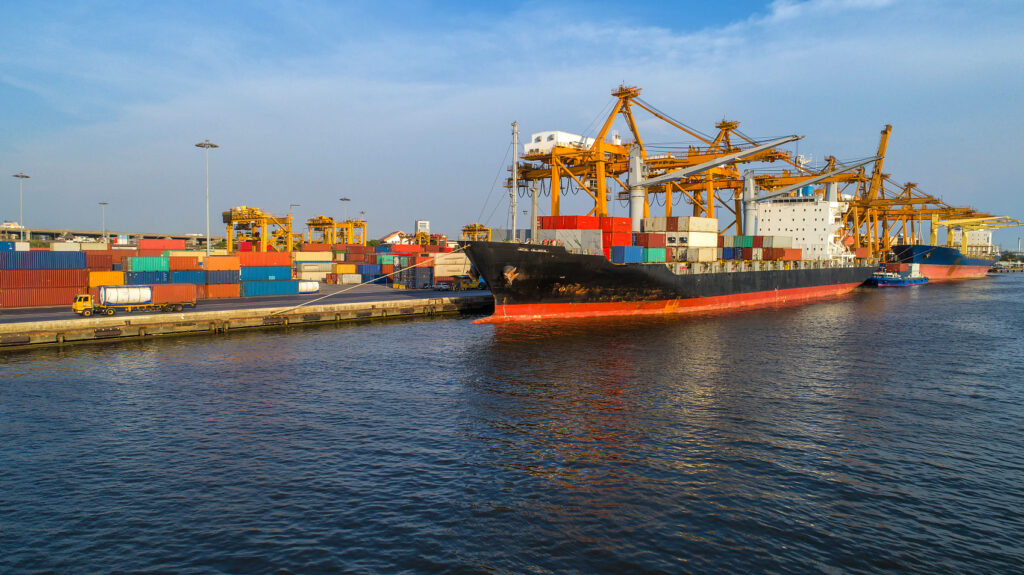
The global shipping industry entered 2026 with significant expectations of market stabilization. After years of extreme volatility caused by the pandemic, port congestion, and geopolitical disruptions, ocean freight rates have gradually normalized. However, the container shipping market in 2026 remains dynamic, with several factors continuing to influence freight costs across major trade routes.
For importers, exporters, and logistics companies, understanding ocean freight rate trends in 2026 is essential for managing supply chain costs and maintaining efficient international trade operations.
The Global Ocean Freight Market in 2026
Ocean freight remains the backbone of global trade, transporting more than 80% of the world’s goods by volume. In 2026, the industry faces a complex balance between increasing shipping capacity and fluctuating cargo demand.
Over the past two years, major shipping lines have introduced a large number of newly built container vessels, significantly expanding global capacity. This surge in supply has placed downward pressure on freight rates compared with the record highs seen during 2021 and 2022.
However, freight rates are still subject to fluctuations due to global economic conditions, trade policies, fuel prices, and geopolitical tensions affecting key maritime routes.
Key Factors Affecting Ocean Freight Rates in 2026
Several major factors are shaping ocean freight pricing in 2026.
1. Vessel Capacity Expansion
One of the biggest influences on freight rates is the rapid expansion of the global container fleet. Many shipping companies ordered new vessels during the high-profit years of the pandemic shipping boom. As these ships are delivered in 2025 and 2026, the increased capacity is creating stronger competition among carriers.
With more available space on vessels, freight rates on many routes have become more competitive, particularly for long-term contract shipments.
2. Global Economic Conditions
Global demand for shipping services is closely linked to economic growth. In 2026, economic recovery remains uneven across regions. While North America and parts of Asia continue to see moderate growth, consumer demand in some European markets remains relatively soft.
When global demand slows, shipping volumes decline, which can lead to lower freight rates. Conversely, strong retail demand or seasonal restocking can quickly drive prices upward.
3. Fuel Costs and Environmental Regulations
Fuel prices remain a major component of shipping costs. In addition, new environmental regulations aimed at reducing emissions in the maritime industry are gradually increasing operational expenses for carriers.
Shipping lines are investing in cleaner fuels, energy-efficient vessels, and carbon-reduction technologies. While these improvements benefit sustainability goals, they can also influence freight rates through additional surcharges and operational costs.
4. Geopolitical Risks and Shipping Route Disruptions
Geopolitical developments continue to impact global shipping lanes. Regions such as the Middle East, the Red Sea, and parts of Eastern Europe have experienced periodic tensions that can affect maritime security and shipping routes.
When vessels are forced to reroute or avoid certain regions, transit times increase and operational costs rise. This often leads to temporary freight rate increases on affected routes.
5. Port Congestion and Supply Chain Bottlenecks
Although global port congestion has improved compared with the peak years of the pandemic, localized congestion still occurs in major international ports.
Seasonal cargo surges, labor shortages, or customs inspections can slow down cargo handling, reducing shipping efficiency and increasing transportation costs.
Major Ocean Freight Routes in 2026
Different shipping lanes are experiencing varying freight rate trends in 2026.
Asia to North America
The trans-Pacific trade route remains one of the busiest container shipping corridors in the world. Freight rates from China and Southeast Asia to the United States have stabilized compared with previous years, though seasonal fluctuations remain common.
Retail restocking, e-commerce growth, and manufacturing exports continue to support steady cargo demand on this route.
Asia to Europe
Shipping from Asia to Europe has seen more moderate demand in 2026. While trade volumes remain strong for industrial goods and machinery, consumer product demand has been somewhat slower in certain European markets.
As a result, freight rates on this route have been relatively stable but competitive.
China to Emerging Markets
Trade routes connecting China with regions such as the Middle East, Africa, and Latin America are becoming increasingly important. Infrastructure development and growing consumer markets in these regions are driving new shipping opportunities.
Freight rates on these routes can fluctuate depending on regional demand and port infrastructure conditions.
How Freight Forwarders Help Reduce Shipping Costs
In today’s evolving logistics environment, many businesses rely on professional freight forwarders to manage international shipping operations.
Freight forwarding companies provide several advantages, including:
Competitive ocean freight rates through strong carrier partnerships
Flexible shipping solutions for different cargo volumes
Expertise in customs clearance and documentation
Real-time tracking and logistics coordination
Multimodal transportation options including sea, air, and rail
Working with an experienced logistics partner helps businesses optimize shipping costs while maintaining reliable delivery schedules.
Ocean Freight Rate Outlook for the Rest of 2026
Industry analysts expect ocean freight rates in 2026 to remain relatively stable compared with the dramatic spikes seen earlier in the decade. However, short-term fluctuations are still likely due to seasonal demand, economic shifts, and geopolitical developments.
Key trends expected for the remainder of the year include:
Continued delivery of new container vessels
Competitive pricing among major shipping alliances
Increasing focus on sustainable shipping practices
Gradual digital transformation across the logistics industry
Companies involved in international trade should monitor freight market developments closely and maintain flexible logistics strategies.
Ocean freight rates in 2026 reflect a shipping industry that is transitioning toward a more balanced and competitive market. While increased vessel capacity has helped stabilize prices, factors such as global demand, fuel costs, and geopolitical risks continue to influence freight rate movements.
For businesses engaged in global trade, understanding these market dynamics is crucial. By partnering with reliable logistics providers and staying informed about shipping trends, companies can better manage transportation costs and ensure efficient international supply chains.