Freight Logistics Trends & Opportunities with Freights Logistics
Australia, as a geographically isolated island nation, relies on maritime transport for nearly all international trade. In 2026, the country’s ocean freight and logistics sector is undergoing significant transformation driven by infrastructure investment, global supply chain shifts, and rising operational complexity.
At Freights Logistics, we help businesses navigate Australia’s evolving shipping landscape with efficient, reliable, and fully integrated logistics solutions.
1. Australia Shipping Market Overview
Australia’s maritime transport system underpins national trade and economic stability, with approximately 99% of goods transported via ports.
The sector handles over AUD $650 billion in trade annually, reflecting its critical role in global supply chains.
Container trade is expected to grow significantly in the coming years, especially driven by imports. Key ports such as Brisbane, Fremantle, and Adelaide are projected to see container volume growth of up to 66% by 2030.
2. Key Shipping Routes to Australia
Freights Logistics manages all major global shipping lanes connecting Australia:
Asia → Australia (Primary Trade Corridor)
- Largest volume route for imports
- Key commodities: electronics, machinery, furniture, consumer goods
- Increasing sourcing diversification from China to Southeast Asia
Europe → Australia
- Stable but longer transit times
- Focus on industrial cargo and project shipments
North America → Australia
- Growing demand for high-value and specialized cargo
- Often integrated with multimodal inland transport
3. Major Ports & Infrastructure Challenges
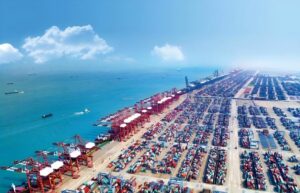
Australia’s port system includes major gateways such as:
- Port of Melbourne (largest container hub)
- Port Botany (Sydney)
- Port of Brisbane
- Port of Fremantle
However, the sector faces structural limitations:
Capacity Constraints
Some ports, particularly Fremantle, are expected to reach capacity limits in the coming decades without major expansion.
Performance Gaps
Australian ports rank relatively low globally in vessel turnaround efficiency and schedule reliability.
Infrastructure Pressure
Limited rail connectivity and reliance on road transport reduce overall logistics efficiency.
4. Key Maritime Logistics Trends in Australia (2026)
1) Cost Stability vs. Total Cost Volatility
While base freight rates remain relatively stable, total logistics costs are rising due to:
- Fuel surcharges
- Inland transport expenses
- Port handling charges
➡️ In 2026, total landed cost—not freight rate—is the key decision factor.
2) Reliability Becomes Critical
Supply chain performance is increasingly affected by:
- Schedule disruptions
- Carrier network adjustments
- Global route instability
➡️ Reliability and variability now impact outcomes more than pricing alone.
3) Supply Chain Resilience & Strategic Shipping
Recent developments highlight the importance of resilience:
- The government is investing in a national strategic shipping fleet to strengthen supply chain security
- Rising fuel costs and geopolitical tensions are impacting domestic and international transport
➡️ Businesses are shifting toward multi-route planning and risk mitigation strategies.
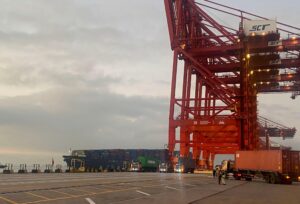
4) Port Transformation & Digitalization
Australia’s ports are entering a new phase:
- Increased adoption of automation and smart logistics systems
- Integration of digital supply chain technologies
- Focus on efficiency and sustainability
5) Sustainability & Green Logistics
Environmental pressure is accelerating change:
- Adoption of cleaner fuels
- Electrification of inland transport
- Carbon tracking across supply chains
5. Challenges in Australia Ocean Freight
Geographic Isolation
- Long transit times compared to other global markets
- Heavy dependence on international shipping networks
Industrial & Labor Risks
- Potential port disruptions due to labor negotiations
- Risk of delays and increased dwell times
Global Trade Uncertainty
- Red Sea disruptions affecting routing decisions
- Fuel price volatility impacting costs
6. Freights Logistics Ocean Freight Solutions
Freights Logistics offers comprehensive shipping solutions tailored to Australia:
Full Container Load (FCL)
- Cost-effective for large shipments
- Direct port-to-port and door-to-door options
Less than Container Load (LCL)
- Consolidation services for smaller shipments
- Flexible schedules and reduced costs
Project Cargo & OOG Shipping
- Flat rack and open-top container solutions
- Handling of oversized and heavy cargo
Door-to-Door (DDP/DDU)
- Complete logistics from origin to destination
- Integrated customs clearance and inland delivery
7. Customs Clearance & Compliance in Australia
Australia has strict import regulations, particularly for biosecurity. Freights Logistics ensures:
- Accurate HS code classification
- Full compliance with customs and quarantine requirements
- Efficient clearance to avoid delays and penalties
8. Why Choose Freights Logistics?
In a complex and evolving shipping environment, Freights Logistics delivers:
✔ Flexible routing across Asia, Europe, and North America
✔ Competitive ocean freight pricing
✔ Strong expertise in Australian logistics regulations
✔ Integrated sea + land transport solutions
✔ Real-time shipment tracking
✔ Dedicated customer support
We help businesses build resilient, efficient, and cost-effective supply chains.
9. Future Outlook (2026–2030)
Australia’s maritime logistics sector will continue evolving through:
- Port capacity expansion and infrastructure investment
- Increased reliance on diversified trade routes
- Greater adoption of digital logistics technologies
- Stronger focus on sustainability and emissions reduction
Despite challenges, Australia remains a critical global trade hub with long-term growth potential.
Get a Quote with Freights Logistics
Looking to ship cargo to or from Australia?
Freights Logistics provides tailored ocean freight solutions designed to optimize cost, transit time, and reliability.
Contact us today to receive a customized logistics plan and stay competitive in global trade.