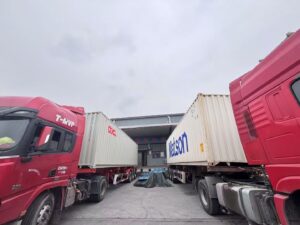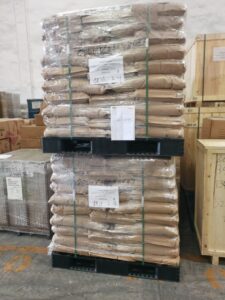
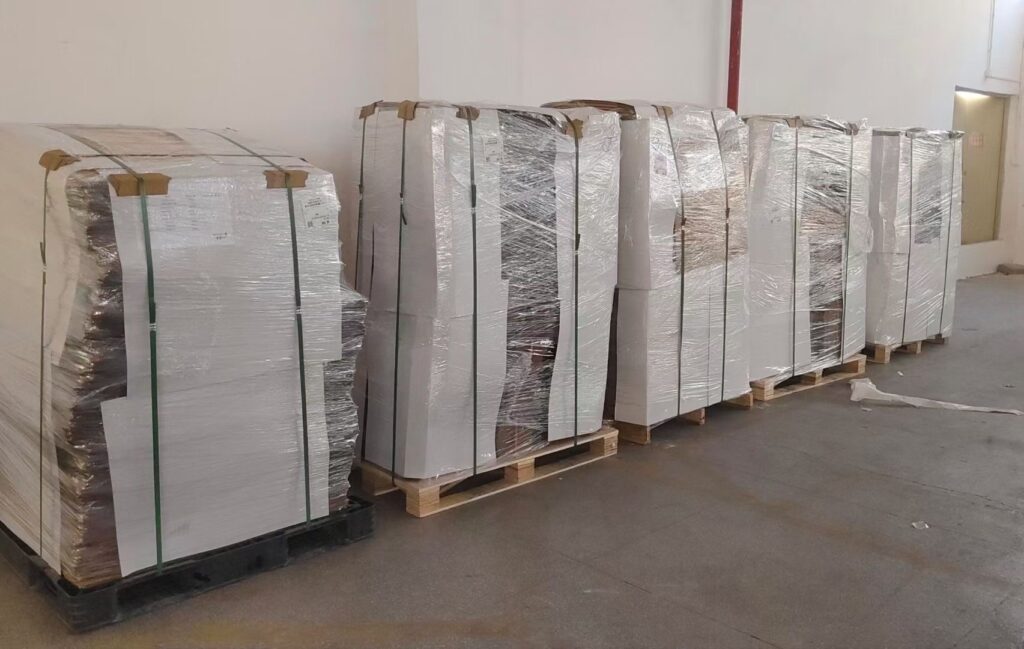
In international logistics, not all cargo can be packed into standard containers. When dealing with oversized, heavy, or irregularly shaped goods, break bulk shipping becomes the most practical and efficient solution.
At FREIGHTS Logistics, we specialize in handling complex cargo movements across global supply chains. This guide explains everything you need to know about break bulk shipping—from definition and benefits to transport modes and strategic route planning.
What Is Break Bulk Shipping?
Break bulk shipping refers to transporting cargo as individual pieces rather than in containers. Each item is handled, loaded, and unloaded separately.
This method is ideal for cargo that:
-
Is too large for containers
-
Is too heavy for standard shipping units
-
Has irregular dimensions
Common Break Bulk Cargo Includes:
-
Construction equipment
-
Oil & gas machinery
-
Steel structures and pipes
-
Wind turbine blades
-
Ship propellers
-
Industrial generators
-
Large engines
-
Boats and yachts
These goods are typically shipped using:
-
Crates
-
Pallets
-
Drums
-
Boxes
-
Or direct lifting using cranes
3 Key Benefits of Break Bulk Shipping
1. Ideal for Oversized Cargo
Break bulk allows large equipment to be transported without dismantling, reducing handling risks and saving time. Specialized vessels are equipped with heavy-lift cranes for safe operations.
2. Cost-Effective Solution
For oversized cargo, containerization can be expensive or impractical. Break bulk helps avoid:
-
Container stuffing costs
-
Special equipment charges
-
Additional handling fees
3. Faster Port Operations
Since cargo is not containerized:
-
Loading can begin immediately
-
Unloading is more direct
-
Overall port time is reduced
Modes of Transport in Break Bulk Shipping
Break bulk cargo can be transported through different logistics modes depending on distance, urgency, and destination.
1. Ocean Freight (Primary Mode)
Ocean freight handles over 90% of global cargo and is the most common method for break bulk shipping.
-
Ideal for heavy and oversized goods
-
More economical than air freight
-
Suitable for long-distance international shipping
2. Land Transport (Truck & Rail)
Land transport is essential for:
-
Inland delivery
-
Cross-border logistics
-
Regional distribution
Both trucks and railways are widely used in break bulk operations.
3. Air Freight (Limited Use)
Air freight is:
-
The fastest option
-
The most expensive
It is typically used for urgent or high-value shipments rather than oversized cargo.
What Is a Break Bulk Point?
A break bulk point is a location where cargo is transferred between different transport modes.
For example:
-
From ship to train
-
From train to truck
These logistics hubs help optimize cost, time, and efficiency in global shipping.
Real Example of Break Bulk Logistics
Shipping heavy equipment from China to the United States typically involves:
-
Loading cargo onto a break bulk vessel in China
-
Arrival at a U.S. port (break bulk point)
-
Transfer to rail transport
-
Further transfer to trucks for final delivery
This multi-modal approach ensures efficient and reliable transportation.
Advanced Route Planning (Professional Insight)
Selecting the right shipping route is critical for cost control and delivery efficiency.
1. Sea Freight for Non-Bordering Countries
For countries that do not share borders with China (such as Europe, the Middle East, Africa, and North America), ocean freight is the primary solution.
However, due to global disruptions, vessels may reroute via the Cape of Good Hope, increasing transit time by approximately 10–15 days.
2. Border Regions: Flexible Sea + Land Options
For regions near China’s borders, such as:
-
Yunnan
-
Guangxi
Neighboring countries include:
-
Vietnam
-
Thailand
👉 Cargo can be transported via:
-
Sea freight
-
Cross-border trucking
This flexibility allows faster and more cost-efficient delivery.
3. Central Asia: Rail + Truck Only
For landlocked countries such as:
-
Kazakhstan
-
Uzbekistan
-
Turkmenistan
-
Kyrgyzstan
-
Tajikistan
Ocean freight is not feasible.
👉 The only practical solutions are:
-
Rail transport
-
Truck transport
4. Europe: Sea vs Rail Strategy
For shipments to Europe:
Sea Freight
-
Lower cost
-
Longer transit time
-
Affected by geopolitical disruptions
Rail Freight
-
Faster transit
-
More stable schedules
-
Less impacted by global conflicts
👉 Rail is increasingly preferred for time-sensitive cargo.
Break Bulk vs Loose Bulk
| Type | Description |
|---|---|
| Break Bulk | Cargo handled individually (crates, pallets) |
| Loose Bulk | Cargo loaded directly (e.g., grain, coal, ore) |
What Is a Break Bulk Warehouse?
A break bulk warehouse is used to:
-
Store non-containerized cargo
-
Organize and consolidate shipments
-
Prepare goods for further transport
Typical cargo includes crates, barrels, bags, and machinery parts.
Can All Goods Be Shipped as Break Bulk?
No. Break bulk shipping is suitable for:
-
Heavy machinery
-
Oversized industrial cargo
It is not ideal for:
-
Small packaged goods
-
Standard consumer products
Why Choose FREIGHTS Logistics?
At FREIGHTS Logistics, we provide:
✅ Global break bulk shipping solutions
✅ Expertise in oversized cargo handling
✅ Multi-modal transport planning
✅ Route optimization (sea, rail, truck)
✅ Customs clearance support
✅ Cost and risk management
We don’t just move cargo—we design the most efficient logistics strategy tailored to your needs.
Final Thoughts: Choosing the Right Route
Break bulk shipping is essential for oversized cargo, but the real advantage lies in choosing the right transport route.
-
Sea freight for global trade
-
Rail freight for speed and stability
-
Truck transport for regional delivery
-
Multi-modal solutions for maximum efficiency
👉 Every shipment requires a customized approach.
Need Help with Your Shipment?
If you have cargo to transport, don’t rely on guesswork.
👉 Contact FREIGHTS Logistics today
Our experts will analyze your shipment and recommend the best, fastest, and most cost-effective logistics solution for your business.