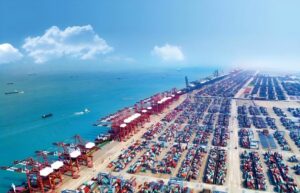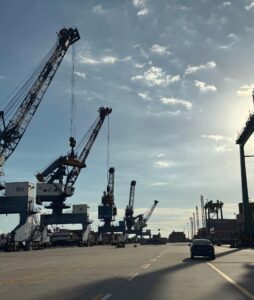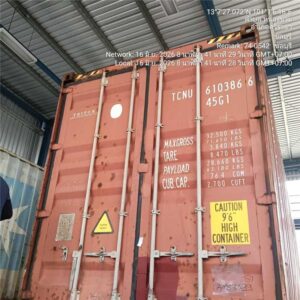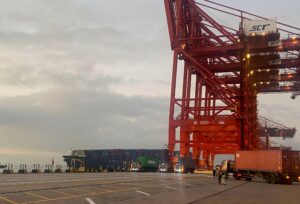
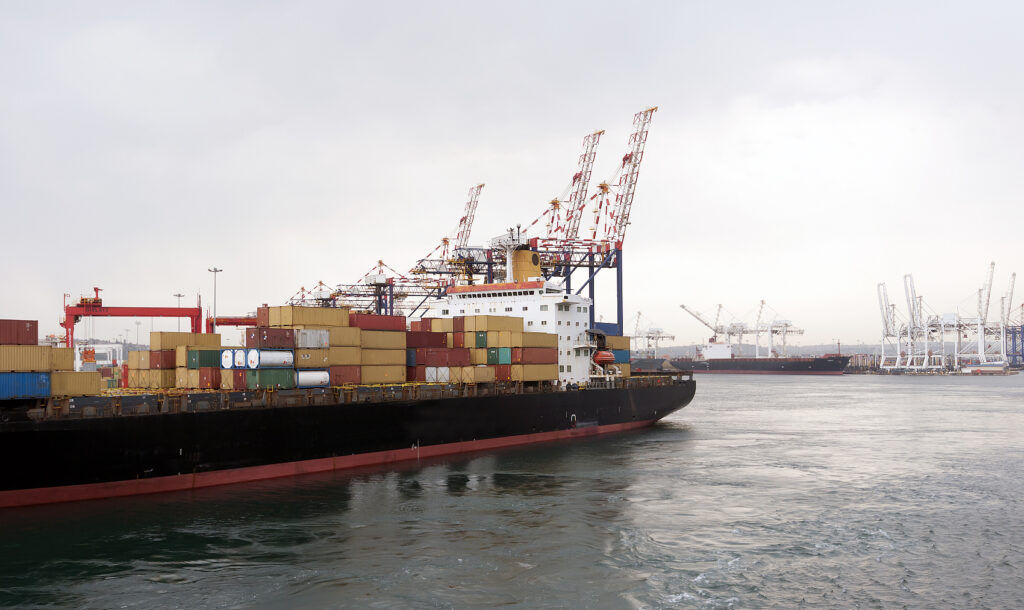
Port congestion remains a major challenge for global supply chains in 2026.
Asian ports such as Shanghai, Ningbo, and Singapore continue handling strong cargo volumes, while vessel schedule disruptions create additional operational pressure.
European ports including Rotterdam and Hamburg are experiencing longer waiting times because of delayed vessel arrivals and inland transportation bottlenecks.
North American logistics also faces periodic rail congestion and trucking shortages, especially during peak seasons.
Port congestion affects cargo owners by increasing:
- Storage fees
- Demurrage charges
- Delivery delays
- Supply chain uncertainty
Businesses can reduce risks by:
- Booking cargo earlier
- Improving shipment visibility
- Using alternative routing solutions
At Freights Logistics, we provide emergency logistics planning and flexible transportation solutions for global cargo movement.
FAQ
Why is port congestion returning?
Vessel rerouting and rising cargo demand continue affecting port operations.
How can companies reduce delay risks?
Advance booking and flexible logistics planning help minimize disruptions.