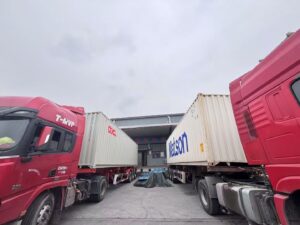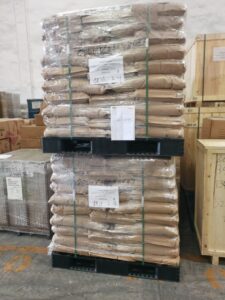
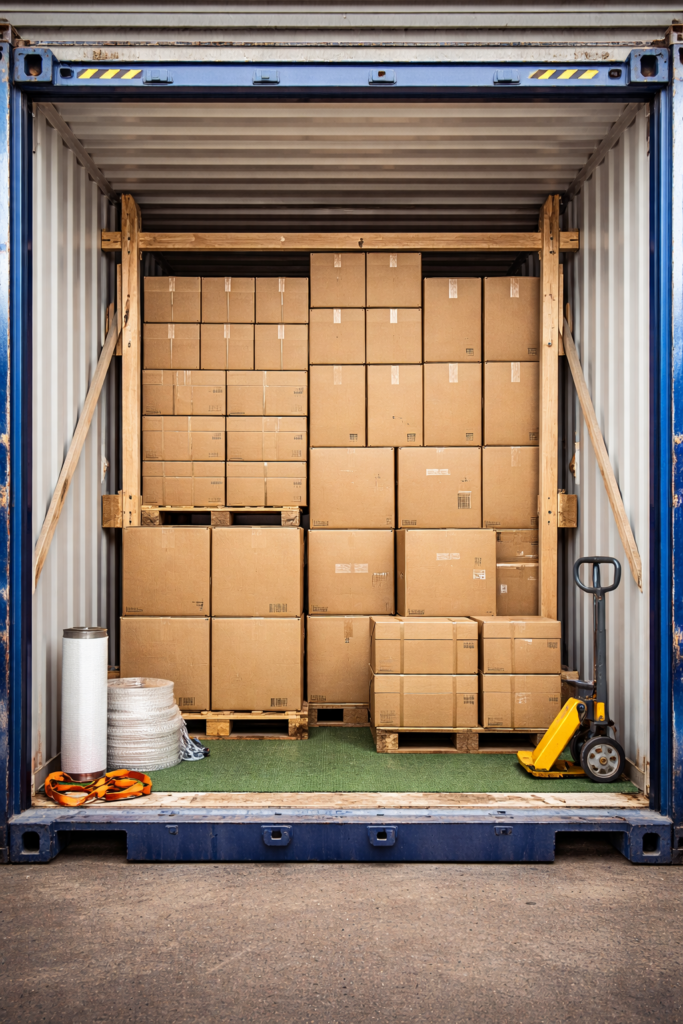
In international trade and global logistics, FOB (Free On Board) is one of the most widely used shipping terms for ocean freight from China. Under FOB terms, the seller is responsible for delivering the cargo to the port and loading it onto the vessel, while the buyer arranges the freight forwarder and pays the ocean freight.
However, in real-world international freight forwarding operations, FOB shipments sometimes lead to complaints from the shipper. The most common issues include high local charges at the origin port and poor communication from the freight forwarder appointed by the consignee.
For companies involved in global freight forwarding, container shipping, and international logistics services, preventing these problems is essential to maintaining smooth supply chain operations and long-term business relationships.
This article explains the common causes of complaints under FOB shipping terms and provides practical solutions from the perspective of professional freight forwarding companies.

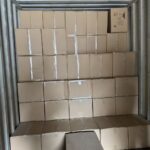
Understanding FOB Shipping Terms in International Logistics
FOB is defined by the International Chamber of Commerce under the rules of Incoterms 2020 and is commonly used in international ocean freight shipping.
Under FOB shipping terms, the responsibilities are divided between the seller and the buyer.
Seller (Shipper) Responsibilities
The exporter or shipper is responsible for:
-
Manufacturing and packaging the goods
-
Arranging inland transportation to the port
-
Completing export customs clearance
-
Delivering cargo to the shipping vessel
Once the goods are loaded onto the vessel, the responsibility transfers to the buyer.
Buyer (Consignee) Responsibilities
The buyer or consignee is responsible for:
-
Appointing the international freight forwarder
-
Paying ocean freight costs
-
Handling destination port charges
-
Arranging import customs clearance
-
Organizing inland delivery
Because the consignee usually chooses the freight forwarding company, the shipper must coordinate with a logistics provider they may not know, which can sometimes lead to disputes.
Common Problems in FOB Freight Forwarding
In many FOB shipments from China, exporters encounter similar problems related to freight forwarding services.
High Origin Local Charges
One of the most common complaints involves high local charges at the port of origin.
These charges may include:
-
Terminal Handling Charges (THC)
-
Export documentation fees
-
Customs declaration fees
-
Container loading charges
-
Trucking costs from factory to port
If these fees are not clearly communicated before the shipment is booked, the shipper may believe the freight forwarder is charging unreasonable costs.
Transparent pricing is therefore very important in professional freight forwarding services.
Poor Communication from Freight Forwarders
Another frequent issue is inefficient communication between the freight forwarder and the shipper.
Common complaints include:
-
Slow response to emails
-
Unclear cargo instructions
-
Lack of shipment updates
-
Unprofessional service attitude
For exporters who are preparing cargo for international shipping, communication delays can cause missed container cut-off times or vessel delays.
In the global logistics industry, communication efficiency is one of the most important indicators of a reliable freight forwarder.
Best Practices to Avoid Complaints in FOB Shipping
To ensure smooth operations in international container shipping, both the shipper and consignee must cooperate closely with professional freight forwarding partners.
1. Provide Transparent Origin Charges Before Booking
Before booking space with the shipping line, the freight forwarder should provide a clear and detailed quotation of all origin local charges.
The quotation should include:
-
Port terminal handling charges
-
Export documentation fees
-
Customs declaration costs
-
Container loading and handling fees
-
Inland trucking costs
Transparent pricing helps avoid misunderstandings and builds trust between exporters and logistics providers.
2. Choose a Reliable International Freight Forwarder
Under FOB shipping terms, the consignee usually appoints the freight forwarder. Therefore, it is important to choose a reliable and professional logistics partner.
A good international freight forwarding company should provide:
-
Professional customer service
-
Competitive shipping rates
-
Clear logistics instructions
-
Efficient communication with both buyer and seller
-
Experience in global container shipping
Choosing a reliable China freight forwarder can significantly reduce the risk of disputes.
3. Maintain Strong Communication Between All Parties
Successful global logistics operations depend on effective communication between three key parties:
-
The shipper (exporter)
-
The consignee (importer)
-
The freight forwarding company
All parties should communicate clearly about:
-
Shipping schedules
-
Container booking details
-
Cargo cut-off times
-
Documentation requirements
Clear communication helps prevent delays and ensures cargo is shipped on time.
4. Provide Detailed Shipping Instructions
The consignee should provide clear shipping instructions to both the shipper and the freight forwarder.
Typical instructions include:
-
Vessel booking confirmation
-
Container type and quantity
-
Cargo cut-off time
-
Required shipping documents
-
Contact information for the freight forwarder
Detailed instructions are essential for smooth international cargo transportation.
The Role of Freight Forwarders in FOB Shipments
Professional freight forwarding companies play a crucial role in coordinating international shipments.
Freight forwarders manage important logistics tasks such as:
-
Booking space with shipping lines
-
Coordinating container loading
-
Preparing export documentation
-
Communicating with shippers and consignees
-
Managing port and customs procedures
A reliable global freight forwarder ensures that shipments move smoothly from the origin port to the destination.
Conclusion
FOB shipping terms are widely used in international ocean freight and container shipping, but they can sometimes lead to complaints from exporters if logistics communication and pricing transparency are not handled properly.
The most common issues include high origin charges and poor communication from freight forwarders appointed by the consignee. These problems can be avoided by clearly quoting local charges in advance, selecting reliable freight forwarding companies, and maintaining strong communication between all parties.
For businesses involved in international shipping, freight forwarding, and global logistics, working with experienced freight forwarders ensures efficient cargo transportation, transparent costs, and smooth delivery.
By following these best practices, exporters and importers can minimize disputes and ensure successful FOB shipments in global trade.