A Practical Guide to ETD, SI Cut-Off, Port Cut-Off, and Customs Cut-Off
By Freights Logistics
In international ocean freight, timing determines success. Even a perfectly packed and documented shipment can miss its vessel if a single operational deadline is overlooked. In today’s volatile shipping environment—where schedule changes, port congestion, and space shortages are common—exporters must clearly understand four essential milestones: Sailing Date (ETD), SI Cut-Off, Port Cut-Off, and Customs Cut-Off.
At Freights Logistics, we believe professional freight forwarding is not only about moving containers from port to port. It is about mastering timelines, minimizing risk, and ensuring cargo stability throughout the supply chain. This guide explains the four critical time nodes in ocean freight and outlines practical strategies to help exporters avoid unnecessary delays and costs.

The Four Core Time Milestones in Ocean Freight
1. Sailing Date (ETD / ETA)
The ETD (Estimated Time of Departure) refers to the vessel’s scheduled departure from the port of origin. The corresponding ETA (Estimated Time of Arrival) indicates the expected arrival date at the destination port.
ETD forms the foundation of shipment planning. However, it is not always fixed. Weather disruptions, port congestion, blank sailings, equipment shortages, or delays at previous ports can all lead to schedule changes.
Because ETD can shift, all operational activities must be arranged by working backward from the planned departure date, including:
- Container pickup
- Factory stuffing
- Documentation preparation
- Shipping instruction submission
- Customs declaration
At Freights Logistics, our operations team continuously monitors carrier schedule updates and proactively informs clients of any changes. This ensures contingency plans are activated early, reducing the risk of cargo rollover.
2. SI Cut-Off (Shipping Instruction Deadline)
The SI Cut-Off is the deadline for submitting or amending Shipping Instructions to the carrier. Shipping Instructions typically include:
- Shipper and consignee information
- Commodity descriptions
- HS codes
- Cargo weight and dimensions
- Container and seal numbers
This deadline is often the earliest among the four major milestones. Missing the SI cut-off can result in amendment fees, late submission penalties, or even refusal to load the container.
Because SI data directly affects the Bill of Lading and cargo manifest, accuracy is critical. Inconsistent or incomplete information can cause customs issues at both origin and destination.
Freights Logistics performs comprehensive document cross-checks before SI submission. Commercial invoices, packing lists, booking confirmations, and draft Bills of Lading are verified to ensure data consistency and regulatory compliance.
3. Port Cut-Off (CY Cut-Off / Gate-In Deadline)
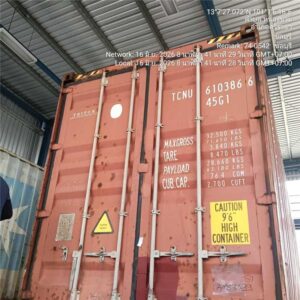
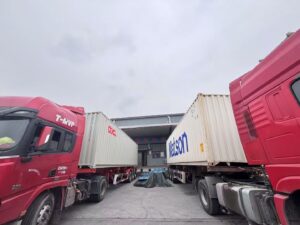
The Port Cut-Off, also known as the CY (Container Yard) cut-off, is the final deadline for returning a loaded container to the terminal.
For FCL shipments, this is a strict operational requirement. The container must be:
- Picked up from the depot
- Loaded at the factory
- Properly sealed
- Returned to the terminal
- Successfully gated in before the closing time
Once the terminal gate closes for a specific vessel, late containers are typically rolled to the next available sailing.
Port cut-off usually occurs before the customs cut-off. However, unexpected issues such as traffic congestion, factory delays, truck breakdowns, or terminal queues can easily disrupt plans.
Freights Logistics recommends completing gate-in procedures at least 2–4 hours before the official cut-off, especially during peak seasons or in high-traffic ports. Building time buffers is a key element of professional freight management.
4. Customs Cut-Off
The Customs Cut-Off is the final deadline for submitting customs declarations and obtaining release approval.
Even if the container has already been gated into the terminal, it cannot be loaded without customs clearance. If customs approval is not granted in time, the terminal system automatically removes the container from the loading list.
Sensitive cargo categories—such as regulated goods, inspection-required commodities, or high-risk shipments—may require additional review time. Customs inspections can add 1–3 days to the schedule.
At Freights Logistics, we conduct pre-declaration checks for regulated or high-risk cargo. Early preparation of supporting documents helps minimize clearance risks and prevents last-minute complications.
Standard Chronological Order of Deadlines
For a typical voyage, the time sequence generally follows this order:
SI Cut-Off → Port Cut-Off → Customs Cut-Off → ETD
Typical time intervals may look like:
- SI Cut-Off: 1–2 days before Port Cut-Off
- Port Cut-Off: Several hours to 1 day before Customs Cut-Off
- Customs Cut-Off: 0.5–1 day before ETD
Understanding this timeline structure is fundamental to effective shipment planning.
Professional Time Management Strategies
1. Plan Backward from ETD
Once a sailing schedule is confirmed, build a reverse timeline:
- Confirm SI submission deadline
- Schedule container pickup
- Arrange factory loading
- Book trucking
- Prepare customs documentation
Freights Logistics creates a milestone checklist for each shipment to ensure coordination among factories, truckers, customs brokers, and terminal operators.
2. Finalize Documentation Before SI Cut-Off
Last-minute amendments increase risk and cost exposure. Before SI submission, verify:
- Consignee details
- HS codes
- Declared value
- Cargo weight and packaging details
All documents—invoice, packing list, SI, and manifest—must align. Consistency prevents customs disputes and avoids costly Bill of Lading corrections.
3. Build Buffer Time Before Port Cut-Off
Operational risks include:
- Urban traffic congestion
- Loading delays at factories
- Terminal congestion
- Equipment shortages
For factories located far from ports, earlier container pickup is advisable. Freights Logistics integrates buffer time into trucking schedules, particularly during peak seasons.
4. Submit Customs Declaration Early
After gate-in, customs declaration should be processed immediately. If inspection or quarantine documentation is required, preparation should begin even earlier.
For higher-risk cargo, allowing 1–3 extra days for possible inspection can prevent vessel rollover and supply chain disruption.
5. Strengthen Control During Peak Seasons
During busy shipping periods, carriers may:
- Advance cut-off deadlines
- Shorten free time
- Restrict bookings
- Adjust sailing schedules
In such environments, early booking and stable carrier partnerships are essential. With strong carrier relationships and reliable space allocation, Freights Logistics helps clients secure capacity even during high-demand periods.
Consequences of Missing Key Deadlines
Failure to meet any of the four milestones can result in serious consequences:
- Missed SI Cut-Off: Amendment fees or loading rejection
- Missed Port Cut-Off: Container rolled to next vessel
- Missed Customs Cut-Off: Removal from loading plan and shipment delay
Recovery options may involve late submission applications or rebooking another sailing—often at additional cost and operational complexity.
Through proactive communication and real-time schedule monitoring, Freights Logistics significantly reduces the risk of missed deadlines.
Professional Time Control Ensures Supply Chain Stability
Ocean freight is more than physical transportation—it is precision coordination across multiple stakeholders and regulatory checkpoints. Each cut-off represents a control gate in the global logistics chain.
For exporters operating under tight production schedules, cross-border e-commerce deadlines, or just-in-time inventory models, effective timeline management directly impacts:
- Inventory turnover
- Cash flow cycles
- Customer satisfaction
- Contract performance
With disciplined operational control and extensive experience in international shipping, Freights Logistics ensures every shipment progresses according to plan—securely, compliantly, and efficiently.
In global trade, missing a deadline often means missing an opportunity. With the right logistics partner, every milestone becomes manageable—and every shipment stays on course.