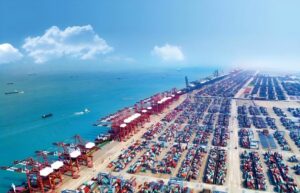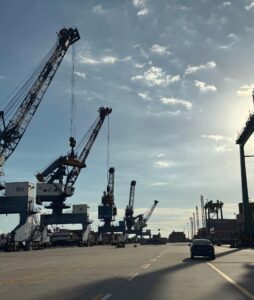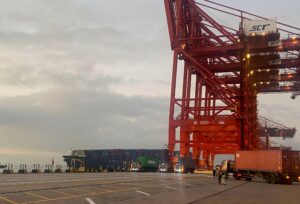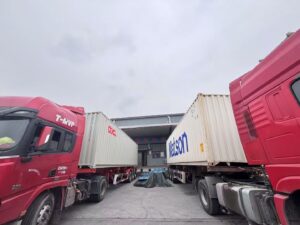
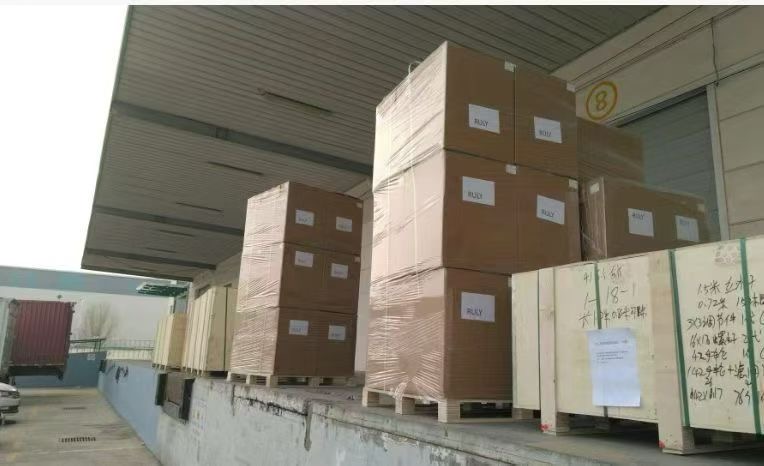
The Middle East logistics market in 2026 continues to face both major risks and new business opportunities. Geopolitical tensions, changing customs policies, and rising transportation costs are reshaping trade routes across the region. At the same time, countries such as the UAE and Saudi Arabia continue investing heavily in logistics infrastructure and international trade development.
At Freights Logistics, we help global exporters navigate the changing Middle East shipping environment with flexible and reliable logistics solutions.
Current Situation of the Middle East Logistics Market
The Middle East remains one of the world’s most important logistics hubs connecting Asia, Europe, and Africa. However, the Red Sea crisis and regional political instability continue affecting cargo transportation.
Shipping companies are adjusting routes, while freight rates and insurance costs remain elevated across several Middle East trade lanes.
Latest Changes in Dubai Transshipment
Dubai continues serving as a key regional logistics hub in 2026. However, increased cargo volumes and route adjustments have created occasional delays in transshipment operations.
Businesses now face:
- Longer cargo handling times
- Increased customs inspections
- Higher warehouse demand
- Tight trucking capacity during peak periods
Despite these challenges, Dubai remains one of the most efficient logistics gateways in the region.
Saudi Arabia & UAE Customs Policy Changes
Saudi Arabia and the UAE continue strengthening import compliance regulations.
Importers must pay closer attention to:
- Product labeling requirements
- SASO certification
- Accurate HS codes
- Country of origin documentation
- Product conformity standards
Incorrect paperwork may lead to customs delays or penalties.
Iran Logistics Risks
Logistics services involving Iran remain highly sensitive due to sanctions and financial restrictions.
Challenges include:
- Limited carrier availability
- Banking/payment restrictions
- Cargo insurance limitations
- Strict compliance reviews
Many logistics providers apply additional operational controls for Iran-bound shipments.
Middle East Air Freight Trends
Air freight demand in the Middle East continues growing because of:
- E-commerce expansion
- Ocean freight delays
- High-value cargo demand
- Time-sensitive shipments
Dubai, Doha, and Riyadh remain major regional air cargo hubs.
Tips for Exporters Shipping to the Middle East
Businesses should:
- Prepare accurate shipping documents
- Confirm destination compliance requirements
- Book cargo earlier during peak seasons
- Work with experienced freight forwarders
Freights Logistics Middle East Solutions
At Freights Logistics, we provide:
- Ocean Freight
- Air Freight
- Customs Clearance
- Door-to-Door Delivery
- Project Cargo Shipping
- Middle East Distribution Solutions
FAQ
Why is Middle East shipping more expensive in 2026?
Higher fuel costs, geopolitical risks, and route adjustments continue increasing logistics expenses.
Which Middle East countries have stricter customs regulations?
Saudi Arabia and the UAE currently maintain strong import compliance standards.
Why choose Freights Logistics?
Freights Logistics provides professional Middle East shipping solutions with flexible routing and customs expertise.