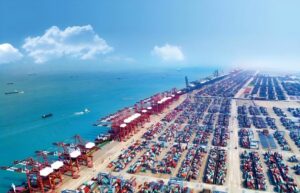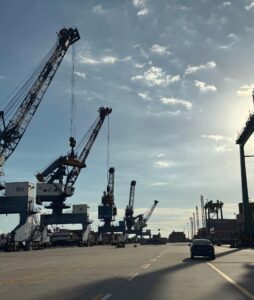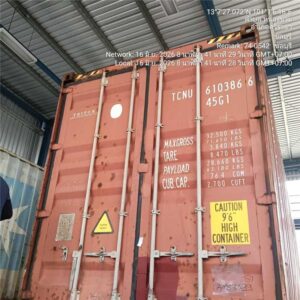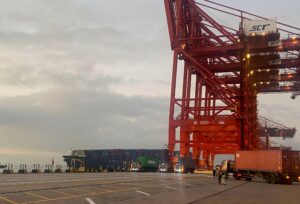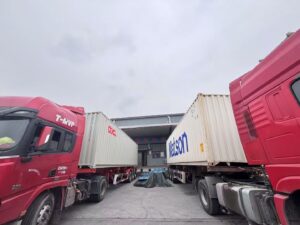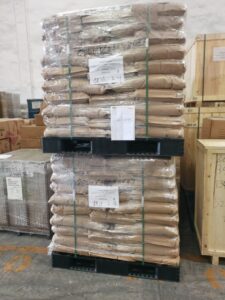
After a period of uncertainty and disruption, the latest developments in 2026 indicate that maritime shipping routes across the Middle East are gradually returning to normal operations. For exporters, manufacturers, and global buyers, this recovery marks an important turning point for international trade.
Over the past months, geopolitical tensions affected several key maritime corridors in the region, causing shipping delays, route adjustments, and increased freight costs. These disruptions created challenges for companies that rely on stable shipping routes connecting Asia, the Middle East, Europe, and Africa.
Today, however, the situation is improving. Shipping lines are resuming normal services, vessel schedules are stabilizing, and cargo flows are gradually returning to major ports across the Gulf region. This recovery provides new opportunities for businesses with cargo transportation needs to Middle Eastern markets.
For manufacturers and procurement companies planning shipments to the Middle East, now is an ideal time to resume logistics operations and rebuild supply chain stability.
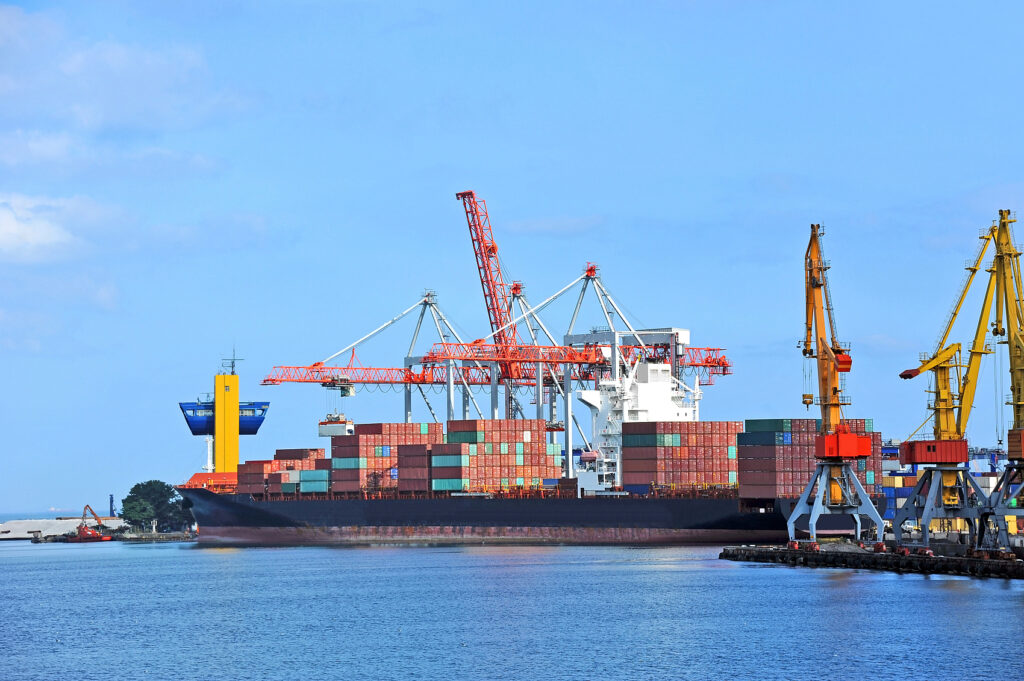
Strategic Importance of Middle East Shipping Routes
The Middle East occupies one of the most strategic positions in the global maritime network. Located at the crossroads of Asia, Europe, and Africa, the region serves as a vital bridge for international trade.
Several key maritime corridors pass through this region, including the highly strategic Strait of Hormuz, which handles a large share of global oil and container shipping traffic. In addition, the Red Sea and the globally significant Suez Canal connect Asian manufacturing centers with European and Mediterranean markets.
Because of these important shipping routes, Middle Eastern ports function as critical distribution hubs for cargo moving throughout the Gulf region, North Africa, and surrounding international markets.
With maritime security improving and vessel traffic increasing again in 2026, the logistics environment across the Middle East is gradually stabilizing.
Major Middle Eastern Ports Resuming Operations
As shipping activity resumes, several key ports across the region are once again handling growing volumes of international cargo. These ports serve as important gateways for goods entering the Gulf region and neighboring markets.
Port of Jebel Ali – United Arab Emirates
Located in Dubai, Jebel Ali is the largest container port in the Middle East and one of the most advanced logistics hubs globally. The port connects shipping routes between Asia, Europe, and Africa while supporting a vast free trade and logistics zone.
Port of Dammam – Saudi Arabia
As the primary gateway to eastern Saudi Arabia, Dammam plays a vital role in supplying industrial equipment, construction materials, and consumer goods to one of the region’s fastest-growing economies.
Port of Hamad – Qatar
Serving as the main international port for Qatar, Hamad Port is equipped with modern container terminals and advanced logistics infrastructure capable of handling large-scale cargo operations.
Port of Sohar – Oman
Strategically located between Dubai and Muscat, Sohar Port has developed into an important industrial and logistics center supporting regional trade throughout the Gulf.
These ports are essential for maintaining the smooth movement of cargo throughout the Middle East and supporting global supply chains.
Rising Shipping Demand from Manufacturers and Importers
With shipping routes reopening, demand for cargo transportation to the Middle East is rapidly increasing. Exporters and procurement companies are actively arranging shipments to meet growing demand across the region.
Products commonly exported to Middle Eastern markets include:
-
Construction materials and building supplies
-
Aluminum fences, gates, and metal structures
-
Furniture and home décor products
-
Plastic household goods and packaging materials
-
Industrial machinery and equipment
-
Consumer products and retail merchandise
Many of these products originate from manufacturing hubs in Asia, particularly China, where exporters are once again increasing shipments to Gulf countries and surrounding markets.
The resumption of shipping services allows companies to restore their trade flows and expand their business opportunities in these rapidly developing economies.
Logistics Considerations During the Recovery Period
Although maritime routes have resumed, the global shipping industry is still adjusting after recent disruptions. During this recovery period, businesses may encounter several logistics challenges, including:
-
Fluctuating freight rates
-
Limited vessel capacity on certain routes
-
Temporary congestion at major ports
-
Adjustments to carrier schedules
Because of these factors, working with an experienced freight forwarding company is essential to ensure smooth cargo transportation.
https://brf-logistics.com/what-are-ocean-shipping-cut-off-time-and-sailing-time/Professional logistics planning can help businesses avoid delays, control shipping costs, and maintain stable supply chains during this transitional period.
Freights Logistics: A Reliable Partner for Middle East Shipping
As shipping routes across the Middle East reopen, Freights Logistics is fully prepared to assist manufacturers, exporters, and procurement companies with professional freight forwarding services.
With extensive experience in global logistics and strong partnerships with international shipping lines, Freights Logistics provides reliable cargo transportation solutions connecting Asia with major Middle Eastern markets.
Professional Ocean Freight Services
Freights Logistics offers competitive sea freight services to key Middle Eastern ports, ensuring stable shipping schedules and reliable container space through cooperation with major carriers.
Customized Logistics Solutions
Every shipment has unique requirements. Freights Logistics develops tailored logistics strategies based on cargo type, destination, and delivery schedules, ensuring the most efficient shipping route for each customer.
Safe and Transparent Cargo Transportation
Cargo safety is a top priority. Freights Logistics provides full shipment monitoring and real-time cargo tracking so clients can follow the progress of their goods throughout the entire transportation process.
End-to-End Logistics Support
From booking container space and preparing shipping documentation to coordinating customs clearance and final delivery, Freights Logistics offers complete logistics support throughout the entire supply chain.
The company’s experienced logistics team ensures that shipments move smoothly and arrive safely at their final destinations.
Resume Your Middle East Shipments with Confidence
The recovery of Middle East shipping routes in 2026 represents an important milestone for international trade. As ports resume operations and shipping schedules stabilize, businesses now have a valuable opportunity to restart cargo shipments and strengthen their presence in Middle Eastern markets.
For manufacturers and buyers with transportation needs to the Middle East, partnering with a professional logistics provider is the key to ensuring safe and efficient deliveries.
If you have cargo shipments to Middle Eastern ports, contact Freights Logistics today.
Our experienced freight forwarding team will provide reliable logistics solutions to ensure your goods arrive safely and efficiently.