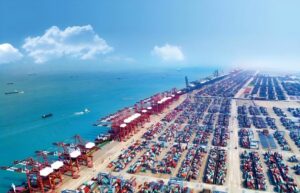
Sea freight from China to Australia is one of the most important shipping corridors in the Asia-Pacific region. Whether you’re a small e-commerce seller or a large importer, ocean freight remains the most cost-effective and scalable option for transporting bulk goods across the Pacific.
This guide breaks down the key ports, shipping routes, transit times, logistics considerations, and best practices to ship cargo from China to Australia efficiently and affordably.
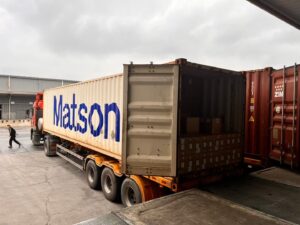
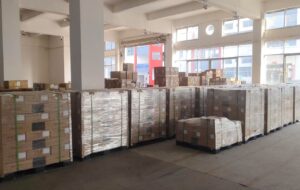
1. Why Choose Sea Freight China to Australia
Sea freight is the backbone of trade between China and Australia. It offers:
-
Lowest cost per unit for large quantities
-
Capacity for oversized and heavy cargo
-
High reliability and predictable schedules
-
Lower carbon footprint compared with air freight
While ocean transit takes longer than air freight, it vastly outperforms other modes in cost efficiency and capacity — especially for bulk shipments, consumer goods, and inventory restock orders.
2. Major Chinese Export Ports
China’s vast port system feeds Australia’s imports. Key exporting hubs include:
-
Port of Shanghai – China’s largest and busiest container port
-
Port of Shenzhen – Major southern gateway near manufacturing zones
-
Port of Ningbo-Zhoushan – Deepwater access and strong container throughput
-
Port of Qingdao – Northern export hub with diverse services
Exporters typically consolidate cargo at these gateways before ocean transit.
3. Main Australia Ports for China-Bound Shipments
Port of Melbourne
Australia’s largest container port, serving southern Australia and acting as a central logistics hub for consumer goods and retail imports.
Port of Sydney (Port Botany)
Located near Australia’s largest metro market, ideal for e-commerce and retail distribution with strong inland connectivity.
Port of Brisbane
Supports rapid freight movement into Queensland and northern coastal regions.
Port of Fremantle
Western Australia’s major gateway, strategically positioned for direct services from South China.
These ports are served by regular scheduled services from major shipping lines, offering reliable sailings year-round.
4. Typical Sea Freight Routes from China to Australia
Ocean services from China to Australia follow established maritime lanes across the:
-
South China Sea
-
Strait of Malacca
-
Indian Ocean
-
Approaching Australia’s southern or eastern coasts depending on destination
Some services are direct, while others transship via regional hubs like Singapore, Malaysia, or Hong Kong. Transit times vary by route and port pairing:
-
China → West Coast Australia: ~12–18 days
-
China → East Coast Australia: ~10–16 days
-
Seasonal variability and port congestion can affect scheduling
5. FCL vs. LCL Options
Full Container Load (FCL)
-
Best for large shipments (15+ CBM)
-
Guaranteed space and faster handling
-
Lower risk of cargo damage
-
Economies of scale for big orders
Less than Container Load (LCL)
-
Ideal for small parcels or trial orders
-
Cost-effective for low volume
-
Longer transit due to consolidation
Choosing between FCL and LCL depends on cargo volume, urgency, and budget.
6. Essential Documentation & Customs Steps
Shipping to Australia requires strict adherence to documentation:
-
Commercial Invoice
-
Packing List
-
Bill of Lading
-
Import Declaration
-
Biosecurity permits (if required)
Australia’s biosecurity regulations are strict — incorrect paperwork can result in quarantine delays or fines. Partnering with experienced customs brokers and forwarders ensures smooth clearance and fewer surprises.
7. Freight Rates & Cost Factors
Ocean freight rates are influenced by:
-
Seasonal demand (peak seasons increase prices)
-
Fuel costs and carrier surcharges
-
Port congestion and capacity availability
-
Container type (standard vs. reefer or special equipment)
While rates fluctuate, long-term carrier contracts and volume discounts help stabilize costs. Work with a freight forwarder to negotiate competitive terms.
8. Logistics Expertise and Value-Added Services
Working with a freight logistics expert can significantly improve your supply chain results by:
→ Route Optimization
Selecting the best port combination and sailings that balance cost and transit time.
→ Shipping Documentation Handling
Professional preparation and review of all necessary import/export paperwork.
→ Inland Transport Coordination
Linking ocean freight with trucking and rail pickups for seamless delivery.
→ Consolidation & Warehousing Solutions
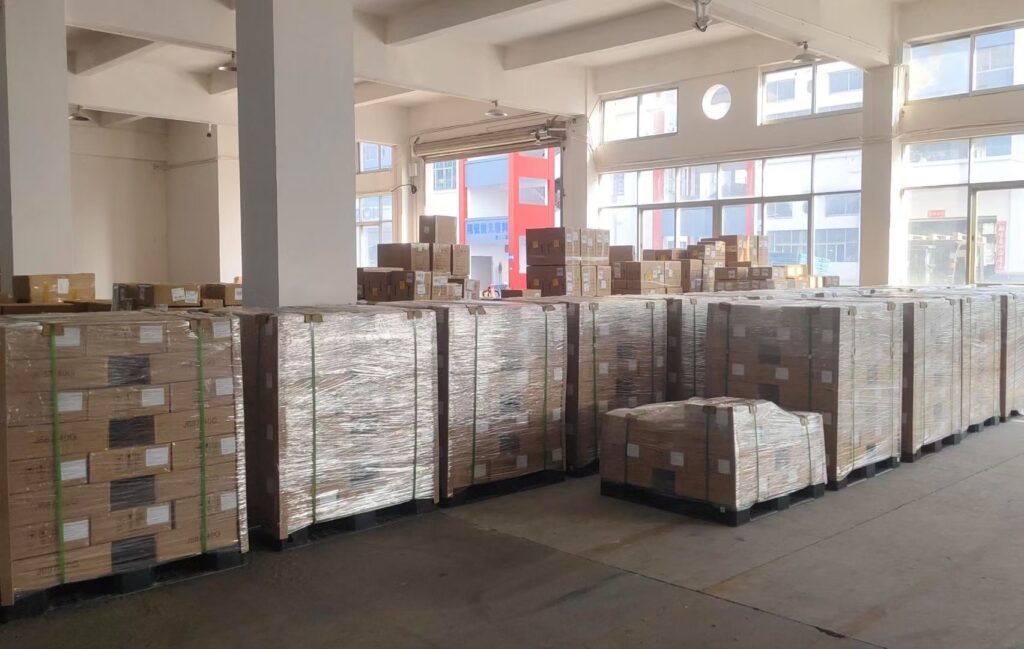
Offering consolidation services to reduce unit costs and inventory storage near key markets.
9. Overseas Warehousing & Distribution Support
Top freight logistics providers often offer overseas warehouse solutions in Australia that include:
-
Inventory storage near major metro markets
-
Pick & pack and e-commerce order fulfilment
-
FBA prep for Amazon or marketplaces
-
Cross-docking and regional redistribution
This allows importers to ship in bulk, warehouse locally, and release goods on demand — improving cash flow and reducing last-mile costs.
10. Tips to Avoid Delays and Hidden Fees
-
Book space early in peak seasons
-
Choose the right container type for cargo
-
Double-check documentation before shipment
-
Understand port demurrage and detention charges
-
Track shipments with real-time visibility tools
Conclusion
Sea freight from China to Australia remains the most cost-effective solution for large-scale imports and inventory replenishment. Understanding ports, routes, documentation, and logistics options empowers you to optimize costs and delivery times.
Partnering with a freight logistics expert ensures professional handling of documentation, customs clearance, route selection, and inland distribution — making international shipping predictable and efficient.