A Complete Guide for Importers, Exporters, and Freight Forwarders
In the world of container shipping and freight logistics, transportation costs are often divided into many smaller charges. One of the most common — and sometimes confusing — fees is the chassis fee. Whether you are importing goods from Asia, exporting cargo from North America, or arranging intermodal transportation, understanding chassis charges is essential for managing logistics costs effectively.
This article explains what a chassis fee is, why it exists, how it is calculated, and how shippers can reduce unnecessary expenses.
What Is a Chassis in Shipping?
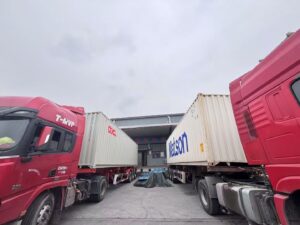
A chassis is a specialized wheeled trailer designed to transport shipping containers by truck. It acts as the platform that supports containers when moving them between ports, rail yards, warehouses, and distribution centers.
Without a chassis, containers cannot be legally or safely transported on highways.
Common Types of Chassis
Different container sizes require different chassis configurations:
- 20FT container chassis
- 40FT container chassis
- 45FT container chassis
- Tri-axle chassis for overweight cargo
- Extendable chassis for oversized freight
What Is a Chassis Fee?
A chassis fee is the charge paid for using a chassis during container transportation. This fee is usually applied during:
- Port pickup and delivery
- Drayage transportation
- Rail transportation
- Intermodal logistics operations
- Container delivery to warehouses
The fee covers the rental, maintenance, inspection, and operational costs associated with the chassis equipment.
In simple terms:
If a container needs a trailer to move on the road, the trucking company or logistics provider charges a chassis fee.
Why Do Shipping Companies Charge Chassis Fees?
Many years ago, ocean carriers often provided chassis equipment as part of the shipping service. Today, however, chassis are commonly managed by separate leasing pools or trucking companies.
Because chassis ownership, maintenance, and management involve significant operational costs, these expenses are charged separately.
Main Reasons for Chassis Fees
1. Equipment Maintenance
Chassis require:
- Tire replacement
- Brake inspections
- Lighting repairs
- Safety compliance checks
- Structural maintenance
2. Equipment Rental Costs
Most chassis are leased from:
- Chassis pool operators
- Equipment leasing companies
- Trucking providers
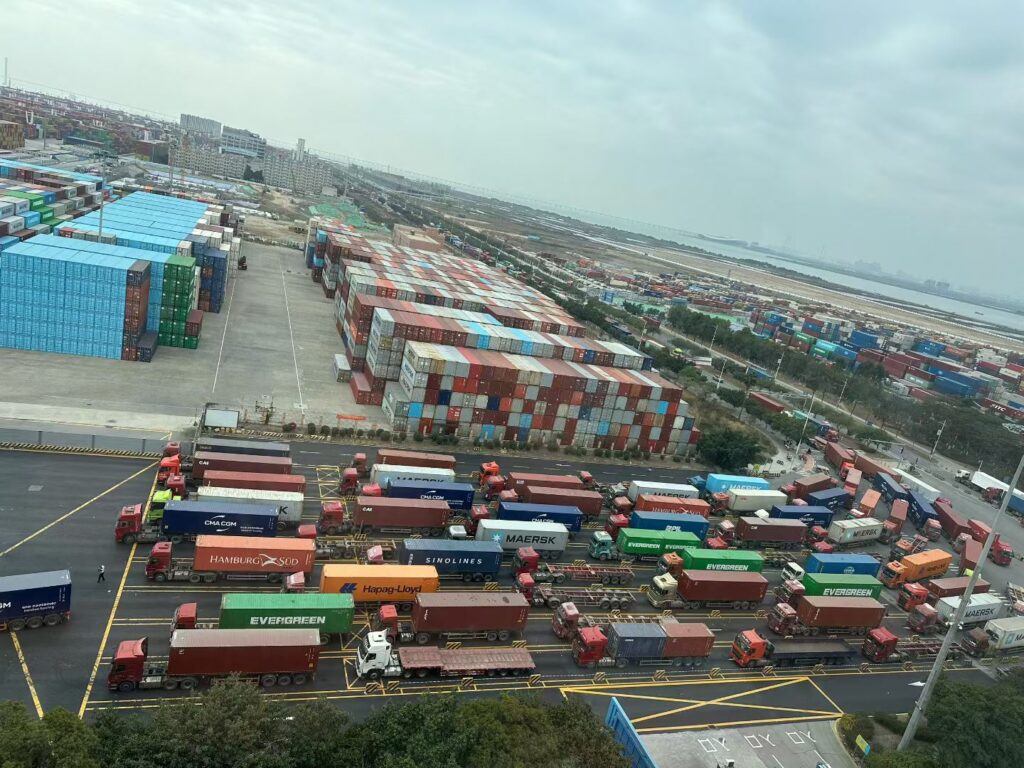
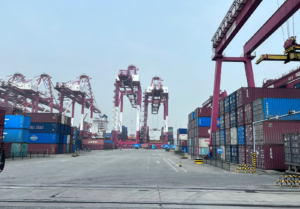
3. Port Congestion
When containers stay longer at terminals, chassis availability becomes limited, increasing rental demand and costs.
4. Intermodal Operations
Rail and port transfers often require additional chassis handling and repositioning.
How Much Is a Chassis Fee?
Chassis fees vary depending on:
- Port location
- Container size
- Market demand
- Duration of use
- Trucking distance
- Peak season congestion
Average Chassis Fees in North America
| Service Type | Estimated Cost |
|---|---|
| Daily chassis usage | USD 25–45/day |
| Port drayage chassis fee | USD 35–75 |
| Extended chassis rental | USD 100–300+ |
| Tri-axle overweight chassis | Higher surcharge |
Please note that rates fluctuate based on local port conditions and equipment availability.
Difference Between Chassis Fee and Drayage Fee
Many shippers confuse these two charges.
Chassis Fee
This is specifically the cost of using the chassis equipment itself.
Drayage Fee
This refers to the trucking transportation service moving the container between locations.
Example:
A truck moves a container from the port to your warehouse.
The invoice may include:
- Drayage transportation fee
- Chassis rental fee
- Fuel surcharge
- Port congestion surcharge
Who Pays the Chassis Fee?
The responsible party depends on the shipping agreement and Incoterms.
Under Different Shipping Terms
| Incoterm | Usually Pays Chassis Fee |
|---|---|
| EXW | Buyer |
| FOB | Buyer after loading |
| CIF | Buyer at destination |
| DDP | Seller |
In North American imports, the importer commonly pays the chassis fee as part of inland transportation costs.
What Causes High Chassis Fees?
Several logistics issues can significantly increase chassis expenses.
1. Port Congestion
Busy ports create equipment shortages.
Major Congested Ports Often Include:
- Los Angeles
- Long Beach
- New York/New Jersey
- Savannah
- Vancouver

2. Long Container Dwell Time
If containers remain outside terminals too long, chassis rental days continue accumulating.
3. Driver Shortages
Limited trucking capacity increases equipment demand.
4. Peak Shipping Seasons
Holiday inventory surges and pre-Chinese-New-Year shipping spikes often increase chassis shortages.
How to Reduce Chassis Costs
Smart logistics planning can help businesses reduce unnecessary fees.
1. Return Containers Quickly
Faster unloading means fewer rental days.
2. Schedule Deliveries Efficiently
Avoid storage delays at warehouses.
3. Use Free Time Wisely
Many providers offer limited free chassis usage periods.
4. Partner With Experienced Freight Forwarders
Professional logistics companies can optimize:
- Drayage timing
- Port appointments
- Rail coordination
- Equipment scheduling
Chassis Split Fee Explained
A chassis split fee occurs when the chassis and container are located in different places.
For example:
- The container is at Port Terminal A
- The chassis is stored at Depot B
The truck driver must make additional trips to collect equipment, creating extra charges.
Chassis Usage in Intermodal Transportation
Intermodal shipping often relies heavily on chassis systems.
Typical Intermodal Process
- Ocean container arrives at port
- Container mounted onto chassis
- Truck moves container to rail terminal
- Rail transports cargo inland
- Final truck delivery to warehouse


Efficient chassis coordination is critical for reducing delays and maintaining supply chain efficiency.
Why Chassis Fees Increased in Recent Years
Since the global supply chain disruptions of 2020–2025, chassis costs have increased substantially due to:
- Equipment shortages
- Rising maintenance costs
- Driver shortages
- Port congestion
- Increased import volumes
- Inflation in transportation sectors
Many U.S. ports also transitioned toward independent chassis pool systems, separating chassis charges from ocean freight pricing.
How Freight Forwarders Help Manage Chassis Fees
Experienced logistics providers help customers:
- Avoid unnecessary detention
- Minimize chassis rental days
- Coordinate port pickup appointments
- Arrange faster customs clearance
- Optimize drayage scheduling
- Reduce congestion-related delays
For importers handling regular container shipments, working with a professional freight forwarder can significantly lower inland transportation costs.
FAQ About Chassis Fees
Is the chassis fee mandatory?
Yes. If a container requires truck transportation, a chassis is generally necessary.
Is chassis fee included in ocean freight?
Usually not. In many countries, especially the United States and Canada, chassis fees are charged separately.
Can chassis fees be negotiated?
Sometimes. Large-volume shippers may negotiate better drayage and equipment rates.
What is per diem chassis charge?
It refers to daily equipment rental costs after free usage time expires.
Are chassis fees common in all countries?
They are especially common in North American intermodal logistics systems.
Final Thoughts
Chassis fees are a fundamental part of modern container transportation, especially in North America’s intermodal freight network. While they may seem like a small surcharge, improper planning can cause chassis-related costs to rise quickly.
Understanding how chassis systems work helps importers, exporters, and logistics managers:
- Budget transportation costs accurately
- Avoid unnecessary delays
- Improve supply chain efficiency
- Reduce overall freight expenses
As global logistics continues evolving, efficient chassis management remains an important factor in successful shipping operations.
About FREIGHTS LOGISTICS
FREIGHTS LOGISTICS Official Website
FREIGHTS LOGISTICS provides professional international freight forwarding services including:
- Ocean freight
- Air freight
- Intermodal transportation
- Container drayage
- Customs clearance
- Project cargo logistics
- Door-to-door delivery solutions worldwide
With extensive experience in global shipping operations, FREIGHTS LOGISTICS helps businesses optimize transportation efficiency while reducing logistics costs.